 Boarding
 Daycare
 Grooming
 Training
 Dog Park / Dog Bar
 Enterprise
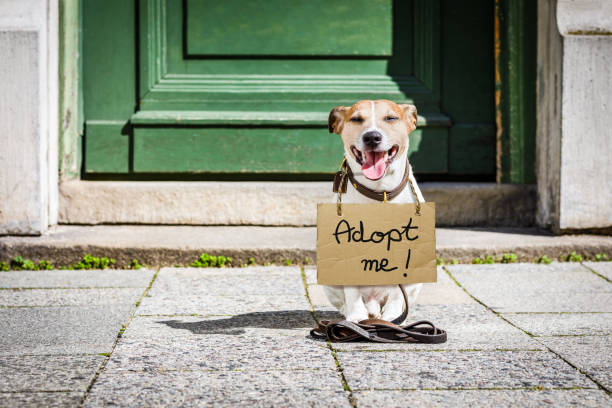
Adding rescue services or rescue partnerships to a pet-care business can be one of the most meaningful decisions you make as an owner or operator. As pet parents increasingly seek out businesses that reflect their values, rescue involvement can strengthen your brand, deepen community trust, and create real, life-changing impact for animals in need.
But rescue is not a side project you casually tack onto your operations.
It is not simply another revenue stream, and it’s not something that should be approached without careful planning. Successful rescue integration requires that you genuinely care about animal welfare—not just business outcomes. Rescue work demands emotional resilience, operational discipline, legal awareness, and a genuine commitment to animal welfare.
For many businesses, rescue is best viewed as a community-focused, brand-building initiative rather than a direct profit center.
This guide walks through what it really means to add rescue to your pet-care business—whether through partnerships, foster programs, or a fully integrated nonprofit arm—so you can decide if, when, and how it makes sense for your facility.
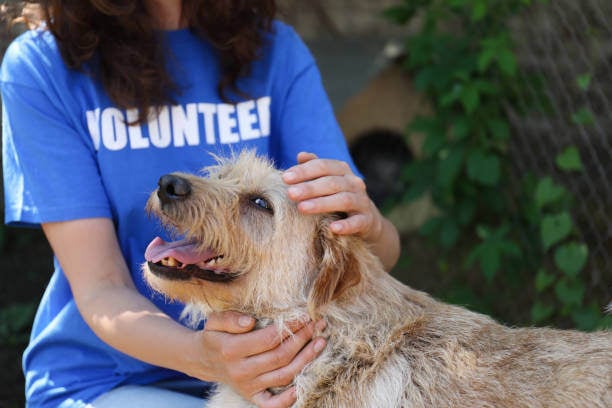
Adding Animal Rescue Services to a Pet-Care Business
Rescue involvement can take many forms. Some businesses operate full nonprofit rescues alongside their for-profit services, while others partner with local animal shelters, host adoption events, or provide foster space and services. It's important to note the distinction between animal shelters and rescue organizations: animal shelters, which may be government-run or private, play a crucial role in the community by managing animal populations, facilitating adoptions, and supporting animal welfare.
Rescue organizations like Gingr user Georgia House Rabbit Society often focus on specific breeds or needs and may not have a physical facility. Read their full story: Hopping to the Rescue with Gingr.
There is no single “right” model, only what aligns with your capacity, goals, and community needs. Many shelters rely on partnerships and community support to continue their operations, especially as approximately 6 million animals enter shelters each year and many shelters depend on donations and fundraising to meet ongoing challenges.
Before jumping into logistics, it’s important to understand why rescue has become such a compelling option for pet-care businesses. Starting an animal rescue organization requires a clear mission statement to define its purpose and goals.
Why Pet Rescue Is Gaining Momentum
- Pet parents increasingly favor socially responsible businesses
- Community-driven brands see stronger long-term loyalty and benefit from engaging with the local community
- Adoption-focused partnerships help address shelter overcrowding
- Many pet-care professionals feel personally called to help rescues
- Rescue partnerships help raise awareness about animal welfare issues
At the same time, rescue work has grown more complex. Veterinary costs have risen, behavioral needs are better understood, and regulatory oversight has increased. That means success depends on preparation—not good intentions alone.
Community involvement is vital for the success of an animal rescue organization, as it helps to rally support and resources.
The Benefits: Why You Might Add Rescue
Stronger Brand Loyalty and Differentiation
Modern pet parents don’t just compare prices—they compare values.
Partnering with or supporting rescue efforts positions your business as compassionate, ethical, and community-driven. That kind of reputation doesn’t just attract customers; it builds emotional loyalty. Effective public relations and active social media pages can further enhance brand loyalty by managing your reputation and engaging your community. Pet parents are more likely to recommend, review, and stick with a business they believe is making a positive difference.
Rescue involvement also differentiates your brand in crowded markets. When multiple facilities offer similar services, purpose becomes a deciding factor.
Using your social media pages to showcase adoptable pets can effectively drive brand engagement and highlight your commitment to animal welfare.
Indirect Revenue Growth (Not Direct Profit)
Rescue programs are rarely high-margin. In fact, many operate at a loss. However, rescue involvement often drives indirect revenue by increasing awareness, foot traffic, and trust, which can also attract potential donors to support your cause.
Examples include:
- Adoption event attendees becoming daycare or boarding clients
- Foster families using grooming, training, or retail services
- Adopters returning for long-term pet-care support
Direct mail campaigns, such as newsletters with donation envelopes, remain an effective way to reach donors and support fundraising efforts.
The key is understanding that rescue strengthens the ecosystem around your business rather than acting as a standalone income stream. Creating a streamlined donation page is also essential for virtual fundraising campaigns, making it easier for supporters to contribute online.
Meaningful Community Impact
Thanks to widespread rescue and adoption efforts, euthanasia rates have declined significantly over the past two decades. Pet-care businesses that support rescue become part of that progress and align themselves with charitable causes.
Whether you’re providing temporary housing, services, or adoption exposure, your facility can play a role in helping animals find safe, permanent homes—and that impact resonates far beyond your walls. Partnering with pet supply stores for community outreach, such as posting flyers or hosting events, can further amplify your support for animal-related causes.
Additionally, pet care businesses can collaborate with local shops and boutiques for cross-promotion and fundraising events to strengthen community ties and support rescue initiatives.
Improved Employee Engagement and Retention
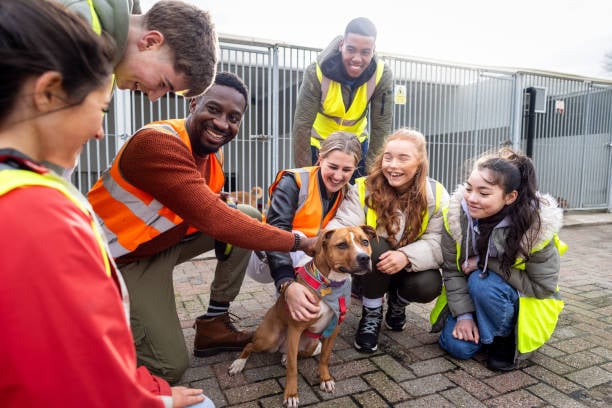
Many pet-care professionals enter this industry because they care deeply about animals. Rescue involvement can reignite that sense of purpose, especially during stressful seasons. Successful rescue programs often require the collaboration of several people with diverse skills, emphasizing the importance of teamwork in achieving animal welfare goals.
When done thoughtfully, rescue programs:
- Increase staff pride in their workplace
- Strengthen team culture and morale
- Create opportunities for skill-building
Engaging employees in fundraising efforts can also enhance their connection to community initiatives and improve workplace morale.
That said, emotional labor must be managed carefully to prevent burnout—a topic we’ll cover later.
The Challenges: What to Consider Before You Commit
High Costs and Financial Risk
Rescue animals often arrive with unknown medical histories. Routine vaccinations, spay/neuter procedures, behavioral assessments, and emergency care add up quickly. Raising money through fundraising and donations is essential to cover these high costs and ensure the sustainability of your rescue services.
Industry estimates suggest that annual care costs per rescue dog can exceed $4,000, especially when medical or behavioral intervention is needed. These expenses can strain even healthy businesses if not planned for. Running an animal rescue also involves ongoing expenses, including veterinary bills and supplies, which require careful financial management and consistent fundraising efforts.
Time, Staffing, and Emotional Energy
Rescue work is relentless. Animals need feeding, cleaning, monitoring, training, documentation, and advocacy—often around the clock.
Additionally, staff and volunteers may experience emotional fatigue from:
- Medical emergencies
- Behavioral setbacks
- Failed adoptions or returns
Without boundaries, rescue can quickly overwhelm your core operations.
Regulatory and Legal Complexity
Running a rescue—especially as a standalone organization—comes with legal obligations that differ from for-profit pet-care businesses.
Depending on your model, you may need:
- State nonprofit incorporation
- 501(c)(3) federal tax-exempt status
- Animal welfare permits and inspections
- Separate accounting and reporting systems
- To check what states require for animal rescue operations
- i.e., minimum board members, specific licensing, or status to accept donations and fundraise
Failing to comply can result in fines, shutdowns, or reputational damage.
Additionally, businesses handling regulated animals must be licensed or registered with the USDA APHIS, as of 2026.
How to Integrate Rescue Without Risking Your Business
If a full rescue operation feels overwhelming, there are lower-risk ways to get involved. Partnering with other businesses in your community is an effective way to support rescue efforts, build a stronger local network, and increase referrals while sharing resources and responsibilities.
Integrating rescue services into your pet care business can also enhance your corporate social responsibility, demonstrating your commitment to animal welfare and community support.
Partner With Local Rescues
Offer discounted or donated services such as grooming, daycare, training, or temporary boarding by partnering with local rescue organizations. As a partnership perk, you can offer discounts to attract and retain customers while supporting the rescue’s mission. This supports rescue organizations while keeping your role manageable and is an important aspect of operating a pet-care business.
Pet care businesses can also partner with local shelters to offer discounts for newly adopted pets.
Host Adoption Events
Adoption days bring new people into your facility and help animals find homes. They’re also excellent opportunities for brand exposure and community engagement. Use your business's Facebook page to promote adoption events, share stories of animals available for adoption, and engage with your local community.
Hosting adoption days at your facility can facilitate adoptions and raise funds for rescues.
Become a Foster or Overflow Network
Provide short-term foster care and housing for adoptable pets when shelters are full. This helps save lives without requiring permanent intake commitments. Many rescues and shelters may not have a physical location to house animals, so they rely on foster networks or available space in pet care businesses. Developing a reliable foster network is essential for animal rescues, especially those without a physical location to house animals.
Donate Proceeds or Supplies
Some businesses dedicate a portion of sales, memberships, or special promotions to rescue partners. Others run supply drives or fundraising campaigns. If your business has many clients, your donations and fundraising efforts can have an even greater impact.
These approaches allow you to contribute meaningfully without taking on full operational responsibility.
You can also leverage your existing customer base to support local animal welfare organizations through targeted fundraising efforts.

Step-by-Step Guide to Adding Rescue Services
1. Define the Rescue Scope and Goals
Start by clearly defining what “rescue” means for your business. Adoption should be the main focus of your rescue efforts, even as you balance other activities like increasing visibility and gathering volunteers.
Questions to answer:
For guidance on planning and hosting a successful event, see Organizing a Pet Adoption Fair at Your Facility.
- Will you operate a nonprofit rescue or partner with existing ones?
- How many animals can you realistically support at one time?
- Is your focus adoption, foster support, medical recovery, education, or hosting a dog-friendly event?
During intake and planning, it’s essential to gather all the information about each animal’s background and condition to make informed decisions and provide the best care.
Clear goals prevent mission creep and protect your core business. Animal rescues should also define their policies and standards to ensure consistent and quality care for the animals.
2. Estimate Initial Costs and Space Needs
Conduct a realistic assessment of:
- Available kennel or housing space
- The importance of a physical location, which not only provides a visible base for your business and rescue efforts but also affects your ability to house more animals and support community engagement
- Isolation or quarantine areas
- Cleaning and sanitation requirements
- Veterinary and transportation costs
Avoid overcommitting early. Many successful programs start small and scale gradually.
Offering discounted grooming, boarding, or daycare services for foster pets can help make them more adoptable and reduce the burden on shelters.
3. Obtain Nonprofit Status and Legal Compliance
If you plan to run a rescue entity:
- Research state incorporation requirements and check what states require for nonprofit status and animal rescue operations
- File for 501(c)(3) status or consult an attorney
- Register required animal licenses and permits
- Create standardized intake, adoption, and waiver formsx, and be sure to include your business information in all paperwork and marketing materials to build trust and credibility
Legal clarity protects both animals and your business. Obtaining 501(c)(3) nonprofit status is essential for an animal rescue to be able to accept donations and operate legally, and establishing a board of directors is crucial for governance and oversight.
4. Design Animal Welfare Policies and Care Standards
Consistency is essential.
Animal care and well-being are central to your policies and standards. Create written protocols for:
- Vaccinations, spay/neuter, and medical care
- Housing, enrichment, and socialization
- Feeding schedules and cleaning procedures
- Behavioral evaluations and safety guidelines
Clear standards ensure quality care—even during busy periods. Note that California and New York will mandate higher standards for daily socialization, record-keeping of animal intake/outcomes, and specific facility requirements starting January 1, 2026.
5. Partner With Shelters and Support Nonprofits
Build relationships before you need them.
- Contact local shelters, rescues, and local businesses
- Establish intake or transfer agreements
- Create referral workflows to refer people to the right resources or experts
- Schedule joint adoption or outreach events
Strong partnerships reduce duplication and strengthen community impact. Collaborating with local shelters and rescues can create mutually beneficial partnerships that enhance community support for animal welfare.
6. Staff, Volunteers, and Training
Rescue work requires specialized skills.
- Recruit volunteers with clear role descriptions, including pet sitters and dog walkers to support rescue operations
- Train staff in shelter handling and stress signals
- Certify team members in animal first aid
- Use onboarding checklists to ensure consistency
Establishing a volunteer network—including pet sitters and dog walkers—is essential for transport and foster care in animal rescue. Well-trained teams reduce risk and burnout.
7. Foster Network and Temporary Housing Strategy
Foster homes expand capacity without expanding facilities. By building a strong foster network, your business can care for more dogs without needing to physically expand your facility. This approach allows you to help more dogs find homes or receive care, directly increasing your impact.
Steps include:
- Launching a foster recruitment campaign
- Vetting homes with applications and checks
- Providing clear expectations and support
- Scheduling regular follow-ups
Offering discounted grooming, boarding, or daycare services for foster pets also helps make them more adoptable and reduces the burden on shelters.
Foster networks are often the backbone of sustainable rescue programs.
8. Adoption Workflow to Secure Forever Homes
Thoughtful adoption processes protect animals and adopters.
Key components:
- Applicant screening questionnaires
- Structured interviews
- Home checks (virtual or in-person)
- Including vet care and veterinary care as part of the adoption process, such as establishing relationships with local veterinarians and ensuring clear protocols for veterinary treatment
- Post-adoption follow-ups and support
Using software to track health and behavioral histories is increasingly a legal requirement for adoption offerings in 2026, helping ensure compliance and transparency throughout the adoption process.
Successful adoptions reduce returns and build trust.
9. Scheduling, Workload, and Burnout Prevention
Rescue should not consume your entire life.
Best practices include:
- Setting staff shift limits
- Blocking manager personal time
- Delegating transport and admin tasks
- Using scheduling tools to create visibility and manage daily operations
Managing daily operations effectively is crucial to prevent burnout and maintain a healthy work-life balance for your team. Protecting your team ensures long-term sustainability.
Regular assessment of the organization's progress is necessary to ensure it is meeting its goals and fulfilling its mission.
10. Marketing, Social Media, and Reputation Management
Rescue storytelling must be authentic and respectful.
- Create a social media calendar
- Share adoption success stories
- Highlight partnerships and impact
- Monitor reviews and respond thoughtfully
Transparency builds credibility and community trust.
11. Fundraising, Merchandise, and Financial Support
Rescue programs often rely on diverse funding sources to support charitable causes and attract potential donors.
Ideas include:
- Donation pages integrated into your website
- Branded merchandise with proceeds donated
- Ticketed fundraising events or open houses
Creating a streamlined donation page can help pet care businesses raise funds for local shelters and rescues.
Clear financial separation between for-profit and nonprofit entities is essential.
12. Implementation Timeline and Metrics
Measure both impact and sustainability.
Track:
- Number of intakes and adoptions
- Return rates
- Medical and care costs
- Volunteer engagement
- Monthly financials, ensuring your business information is accurately maintained and reported for transparency and credibility in partnerships
- Use a separate accounting system for the rescue to keep financials distinct from your main business operations
A 90-day launch checklist helps keep momentum without chaos. Maintaining a separate bank account and accounting system for the rescue is crucial for tracking 501(c)(3) donations.
13. Resources, Templates, and Next Steps
Prepare in advance:
- Intake and adoption forms
- Volunteer handbooks
- Vet and transport referral lists
- Emergency response protocols
Templates save time and ensure consistency as your program grows.

So… Is It Time to Add Rescue?
If your pet-care business is stable, your team is supported, and you feel genuinely called to make a broader community impact, yes! This can be a powerful next step. Rescue partnerships and programs can differentiate your brand, strengthen loyalty, and help animals who need it most.
But if you’re seeking a low-risk, high-margin expansion, rescue may not be the right first move. In that case, focusing on scaling existing services—like boarding, daycare, or training—may better support your long-term goals. This doesn't mean your heart isn't in the right place! Rescue could still be a future endeavor, or you can commit to donating to local nonprofits, hosting adoption days at your business, or supporting in ways that make sense to your mission.
Either way, the most successful rescue efforts are built on honesty, preparation, and sustainable systems. Gingr user Happy Cats Retreat, for instance, is on track to add rescue to their cat boarding operations by having the right systems in place to optimize operations and retail loyal customers.
Read their story: Creating a Peaceful Haven for Felines in North Carolina
Be pawesome. Make a difference—and protect the business that makes it all possible.
Speak to a Gingr expert today.


Subscribe to the Gingr Blog

.svg)