 Boarding
 Daycare
 Grooming
 Training
 Dog Park / Dog Bar
 Enterprise

Gen Z pet parents are influencing, among many other industries, the world of pet care. the pet-care. They're also actively redefining it.
From how they book services to how they communicate, what they value, and what they’re willing to pay extra for, this generation has clear expectations. For dog daycare, boarding, grooming, and training businesses, meeting those expectations is quickly becoming a competitive advantage.
Here’s the tea.
Why Gen Z Pet Parents Matter More Than Ever
Gen Z and those on the cusp of the Millennial generation ("Millennials") now account for nearly 57% of all pet parents in the United States. That means more than half of today’s pet-care revenue is already tied to younger generations — and that percentage will only increase.
Gen Z’s growth, in particular, has been rapid. According to the APPA:
- Gen Z represented 20%, or 18.8 million of U.S. households, that owned a pet in 2024, a 43.5% increase from the previous year
- They now make up 20% of dog parents and 20% of cat parents, with year-over-year growth of 18% for dogs and 25% for cats
- 70% of Gen Z pet owners have two or more pets
For pet-care businesses, this means higher visit frequency, greater demand for flexible services, and a stronger emotional investment in pet well-being.
Some might say Gen Z pet parentshave zero chill when it comes to their pets, considering 45% say their pet is the most important thing in their lives, higher than any other generation. That level of attachment directly impacts how they choose pet-care providers and how loyal they remain.

Who Gen Z Is: Age, Careers, and Daily Life
As a pet-care business, dogs and other animals are your forte. But understanding how their parents think and behave is just as important to delivering outstanding care. In a nutshell, Gen Z generally includes people born between 1997 and 2012, putting them roughly 13–29 years old today. Most Gen Z pet parents fall between 18 and 25, an important life stage where many are finding independence and heading out on their own. This important transition is shaping how they interact with different businesses.
What Their Work Life Looks Like
Gen Z is:
- Entering the workforce in large numbers
- Working a mix of full-time jobs, hybrid roles, shift work, freelancing, and side hustles
- Increasingly drawn to service, tech, healthcare, skilled trades, creative fields, and gig-based work
This matters because their schedules may benontraditional and unpredictable. Many don’t work strict 9–5 hours, which makes flexibility and self-service options essential.
What Their Lifestyle Looks Like
Gen Z pet parents tend to:
- Live in apartments or shared housing
- Move more frequently than older generations
- Rely heavily on mobile devices for planning, communication, and purchases
- Seek experiences over possessions
For pet-care businesses, this translates into a need for:
- Mobile-first booking
- Clear, digital communication
- Services that fit into busy, flexible lifestyles
If interacting with your business feels inconvenient or outdated, Gen Z will simply move on. No hard feelings, just different expectations.
Values-Driven Buying: Why Gen Z Chooses One Business Over Another
The American Pet Products Association’s 2025 State of the Industry Report notes that Gen Z and Millennials are driving demand for brands aligned with their values, particularly around:
- Sustainability
- Pet wellness
- Ethical and transparent business practices
Gen Z pet parents want to know how your pet-care business operates, not just what you offer. Sharing stories about ethical sourcing of treats or retail items, staff training and pet safety standards, and partnerships with local shelters or rescues helps create trust and emotional connection.
As Pet Age explains:
“When a pet brand shares stories about how it sources ingredients sustainably or how it supports animal welfare, it creates an emotional connection that resonates with younger consumers’ desire to do good through their purchases.”
The key is authenticity. Gen Z can spot performative messaging a mile away. If you talk about values, make sure your actions back them up.
Digital-First Expectations (Mobile Isn’t Optional)
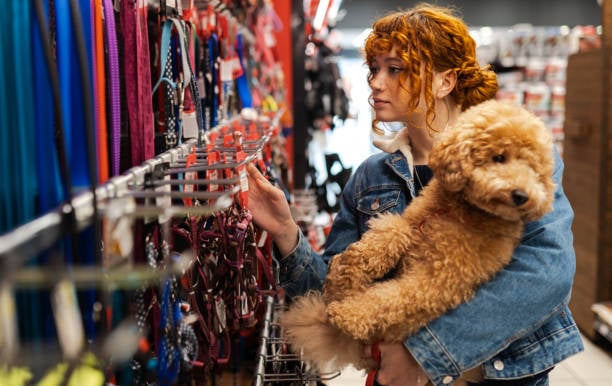
For Gen Z, smart phones are their primary gateway for discovering, researching, and purchasing pet products and services.
They expect:
- Fast-loading, mobile-friendly websites
- Booking that works seamlessly on a phone
- Digital forms, waivers, and payments
If your business still relies on phone calls, paper contracts, or in-person scheduling, you’re creating unnecessary friction. Pet-care businesses that invest in digital convenience will earn more business, plain and simple.
How to Meet Gen Z Pet Parents’ Needs
Below are the strategies that resonate most with younger generations of pet parents.
1. Offer Online Booking That Works on Their Schedule
If Gen Z has to call during business hours, they’ll bounce. They grew up with screens, smartphones, and swipe-tap culture — and they expect booking to feel as easy as ordering food or grabbing a ride.
Online booking should:
- Show real-time availability
- Work seamlessly on mobile
- Allow easy selection of services and add-ons
For pet-care businesses, online booking:
- Reduces front-desk workload
- Cuts down on missed calls
- Increases add-on sales during checkout
Self-service doesn’t reduce connection — it removes friction so staff can focus on pets and in-person interactions.
2. Communicate via Text
Calling Gen Z pet parents often leads straight to voicemail — if it’s answered at all.
Text messaging is their preferred channel for:
- Appointment reminders
- Pickup notifications
- Quick updates or questions
Automated text reminders help reduce no-shows while keeping communication respectful and low-pressure. Bonus: Include quick links to confirm, reschedule, or grab updates — no extra steps.
For your team, this means fewer interruptions and clearer records of communication — a win for efficiency and accountability.

3. Maintain an Active, Responsive Social Media Presence
Social media is where Gen Z discovers, evaluates, and validates pet-care businesses.
They look for:
- Recent posts
- Real photos and videos (not stock images)
- Engagement in comments and messages
An active presence signals that your business is:
- Trustworthy
- Transparent
- Invested in its community
For pet-care businesses, social media also becomes a recruiting tool, a reputation builder, and a customer education channel. Respond to questions. Celebrate pets. Share bites of staff culture. Be fun and real.
Because for Gen Z, brands that feel like people win.
4. Offer Healthy Treat Add-Ons and Enrichment Experiences
Gen Z pet parents love personalization and are willing to pay for thoughtful extras.
Popular add-ons include:
- Healthy or limited-ingredient treats
- Mental enrichment sessions
- Agility courses or structured play
- One-on-one cuddle or calm time
- Seasonal or holiday photo sessions
These offerings:
- Increase average ticket value
- Differentiate your business
- Reinforce trust in the quality of care
They also give staff more meaningful ways to engage with pets throughout the day.
5. Create Daycare Packages and Memberships for Busy Schedules
Many Gen Z pet parents juggle work, school, hobbies, a social life, and other side quests.
Packages and memberships offer:
- Predictable pricing
- Priority booking
- Routine and consistency for pets
For businesses, they create:
- Recurring revenue
- Better capacity planning
- Stronger long-term relationships
Consistency builds comfort — for pets, parents, and staff alike.
6. Build Social Experiences for Pets and Pet Parents
Community matters deeply to Gen Z.
Dog parks, dog bars, training events, or themed social nights provide opportunities for:
- Pet socialization
- Pet parent connection
- Brand loyalty
The Mars Global Pet Parent Study revealed that 42% of pet parents describe their neighborhoods as pet-friendly, and 32% feel guilty leaving pets alone. Social spaces help address both concerns.
Even small-scale events can make your business feel like a dog-friendly, social hub — not just a service provider. Offering fun, aesthetic, vibes-heavy spaces for dogs and their people give pet parents a sense of belonging (and great photos to post on their socials).
7. Share Photo and Video Updates to Build Trust
Gen Z grew up documenting life online and Snapping friends 24/7, so transparency through visuals feels natural.
Photo and video updates:
- Reduce anxiety
- Reinforce trust
- Help pet parents feel connected
Picture this: Pet parent at work sees a reel of their pup climbing an agility obstacle or snoozing in a cozy corner. Daily report cards with notes, photos, or short clips turn routine care into a memorable experience that builds emotional trust — and give pet parents something to share. And a reason to keep coming back.

Community Is the New Competitive Advantage
Here’s the thing: the pet-care businesses Gen Z sticks with don’t just offer services — they build relationships that actually matter.
Community looks like:
- Clear, consistent communication
- Real photos, videos, and updates (the good stuff)
- Loyalty programs and memberships that feel worth it
- Education and events that bring pet parents together
Gen Z isn’t here for cold, transactional experiences. They want businesses that know their pet’s name, remember their preferences, and make them feel like part of the pack.
They expect:
- Convenience without compromise
- Transparent communication
- Experiences that feel personal
Pet-care businesses that adapt now will build stronger loyalty, increase lifetime value, and future-proof their operations. And let’s be real — this group isn’t “future pet parents.” They’re here now, and they’re making decisions differently than previous generations.
Want an easy way to facilitate marketing, mobile booking, text communication, photo updates and more? Get the pet business software that gets you. Book a Gingr demo today.


Subscribe to the Gingr Blog

.svg)