 Boarding
 Daycare
 Grooming
 Training
 Dog Park / Dog Bar
 Enterprise
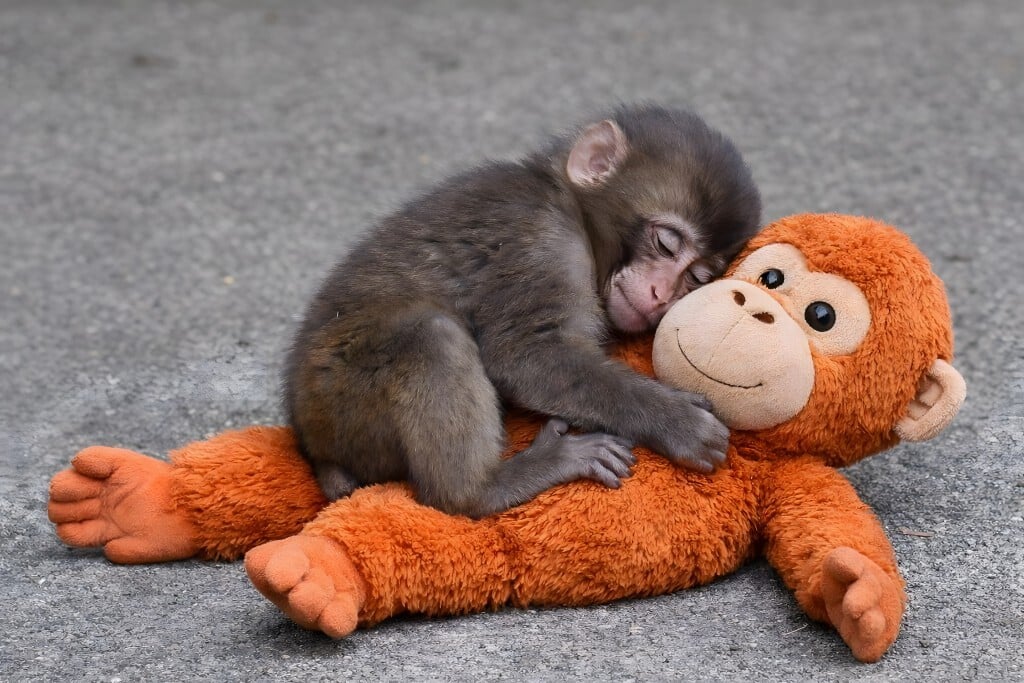
When a young Japanese macaque named Punch was abandoned by his mother and bullied by his troop at Ichikawa Zoo, caretakers offered him a plush orangutan toy for comfort.
The image of a small primate clinging to a stuffed animal quickly went viral. Punch’s story was about vulnerability, emotional coping, patient support, and gradual social reintegration. With careful guidance from zoo staff, he has since begun finding acceptance within his troop.
For pet-care professionals, Punch’s journey highlights something essential: animals experience stress, rejection, insecurity, and social challenges. Compassionate intervention changes outcomes.
Here’s what pet-care businesses can learn from Baby Punch.

1. Emotional Safety Is as Important as Physical Care
Punch wasn’t physically injured, he was socially and emotionally distressed. The plush toy became a transitional comfort object while he navigated uncertainty.
In pet care, we often focus on logistics:
- Feeding schedules
- Vaccination records
- Playgroup rotations
- Grooming protocols
But many pets entering daycare or boarding are experiencing emotional stress:
- Separation anxiety
- New environments
- Unfamiliar dogs
- Loud, stimulating spaces
The most trusted pet-care providers recognize that emotional safety is part of the service.
Businesses can reinforce this by:
- Encouraging familiar comfort items from home
- Offering quiet acclimation spaces
- Providing gradual introductions to playgroups
- Communicating openly with owners about stress signals
When clients understand that their pet’s feelings matter to businesses they trust with their fur baby's care, trust deepens.
2. Social Integration Requires Structure, Not Just Supervision
Punch did not simply “work it out” with the troop. Zoo caretakers monitored interactions and supported a careful reintegration process.
Dog daycare environments mirror this dynamic. Group play is not automatic harmony — it is managed socialization.
Professional facilities stand out when they:
- Conduct temperament evaluations before group placement
- Introduce new dogs gradually
- Separate by size, energy level, and play style
- Intervene early in tension or bullying behaviors
Marketing that simply highlights “all-day play” misses the opportunity to communicate expertise.
Instead, messaging should emphasize:
- Behavior knowledge
- Structured social development
- Advocacy for shy or sensitive pets
Parents want to know someone is actively looking out for their animal and offering opportunity for their growth.
3. Vulnerability Creates Powerful Stories
Punch became a global story because people recognized vulnerability and resilience.
Pet-care brands often showcase only the happiest moments : wide smiles, play yard action shots, spa-day transformations. While positive imagery is important, growth narratives build deeper connection.
Examples include:
- The anxious rescue who now confidently joins playgroups
- The senior dog who adjusted to boarding after a gradual transition plan
- The shy puppy who learned social skills through structured daycare
Transformation stories communicate value more powerfully than promotions.
They demonstrate:
- Patience
- Professionalism
- Compassion
- Results
For software platforms that support pet-care operators, enabling facilities to track and communicate these journeys can strengthen customer loyalty.
4. Care Teams Are the Differentiator
Punch’s story was not only about a young macaque. It was also about the attentive humans who noticed his distress and intervened thoughtfully.
In pet care, empathy is key
Highlighting your dedication to staff training in animal body language, gentle handling techniques, one-on-one time for nervous pets, and thoughtful behavior documentation and communication builds credibility and emotional reassurance.
The right technology can reinforce this by:
- Capturing detailed behavior notes
- Logging social interactions
- Automating updates to owners
- Providing transparency around care plans
Here, operational excellence and emotional intelligence work together.
5. Belonging is the Core Product
At its heart, Punch’s story is about belonging.
Pet-care businesses do not simply sell grooming appointments, daycare passes, or kennels.
They provide:
- Community
- Routine
- Social confidence
- A second home
For recurring services, especially daycare, belonging is the value proposition. Owners return because their pet is recognized, understood, and welcomed. Facilities that cultivate community through staff consistency, structured playgroups, and transparent communication create lasting loyalty.
6. Transparency Builds Trust
The public narrative did not hide Punch’s bullying. It acknowledged the challenge and showed how it was handled.
Similarly, pet-care businesses build credibility when they are honest about how they:
- Sreen for behavioral fit
- Manage conflict
- Communicate when a dog may need training support before group play
- Pioritize safety over convenience
Clients do not expect perfection. They expect professionalism. Systems that document incidents, track patterns, and support communication help facilities maintain that transparency consistently.
7. Emotional Narrative Drives Engagement
Punch’s viral moment was not about spectacle. It was about story.
For pet-care operators, storytelling can be a powerful marketing and retention tool:
- “First day” milestones
- Social breakthroughs
- Birthday celebrations
- Rescue success stories
When supported by strong operational tools, these stories are easier to capture, organize, and share. Pet parents respond to narrative because it affirms what they already believe: their animal is an individual with emotions, relationships, and growth.

How Gingr Helps Facilities Build Belonging at Scale
Creating emotional safety, structured socialization, and transparent communication requires more than good intentions — it requires systems.
Gingr empowers pet-care businesses to operationalize belonging through:
- Detailed pet profiles and behavior notes that help staff understand each animal’s history, preferences, and sensitivities
- Temperament tracking and evaluation records that support thoughtful group placement
- Centralized communication tools that keep pet parents informed and reassured
- Reporting and documentation features that reinforce transparency and professionalism
- Streamlined workflows that free staff to focus on hands-on care rather than administrative chaos
As facilities grow, maintaining individualized attention becomes more complex. Gingr provides the infrastructure that allows operators to scale without losing the human touch that builds loyalty.
Baby Punch’s story reminds us that support and belonging are not accidental. With the right processes and caring animals professionals, pet-care businesses can ensure every creature in their care, whether shy, social, or somewhere in between, has the opportunity to feel safe, supported, and part of the pack.
Unleash your (and every pet's) potential. Speak to a Gingr expert today.


Subscribe to the Gingr Blog