 Boarding
 Daycare
 Grooming
 Training
 Dog Park / Dog Bar
 Enterprise
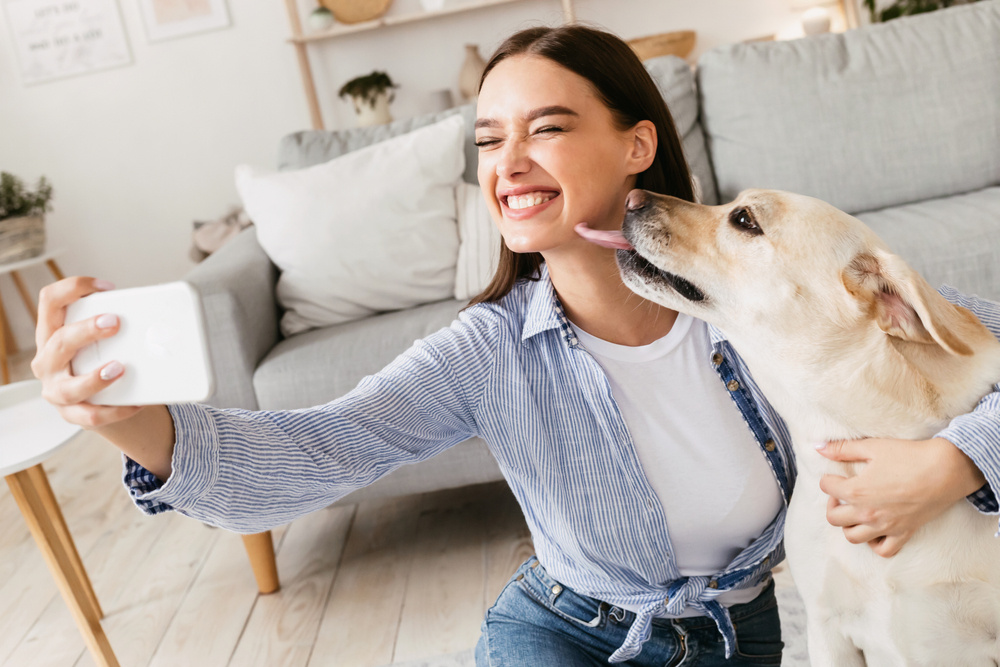
In the ever-evolving landscape of digital marketing, a new trend has emerged that is capturing the hearts of millions worldwide — pet influencers. These furry celebrities, often managed by their devoted owners, have amassed substantial followings on social media platforms like Instagram, TikTok, and YouTube. From cute puppy videos to adventurous dog journeys, content featuring adorable animals is not only bringing joy but also proving to be powerful influencers in their own right. Pet influencer marketing is expected to play a dominant role in the projected $157 billion to $269 billion global pet care industry by 2025.
The significant role that pets play in people's lives has contributed to the rise of pet influencers, especially in recent years, as pets have become central figures in households and digital communities.
The Power of Pet Influencers
What makes pet influencers and their furry companions so appealing? It’s their authenticity and ability to connect with audiences on a personal level. Unlike human influencers, pets offer a unique form of entertainment and emotional engagement that resonates universally. Their daily antics, loyal companionship, and adorable personalities create a strong emotional bond with their followers, making them ideal ambassadors for brands looking to leverage genuine connection sin their marketing strategies.
Notably, the rise of dog parents among the Millennial and Gen-Z generations reflects a shift in how society views pets, with four-legged companions increasingly seen as family members and integral to lifestyle trends.
Pet parents form a highly engaged community, sharing authentic experiences and trusting recommendations from other pet parents. Pet content naturally evokes positive emotions such as joy and warmth, which drives high engagement and brand affinity. Pet influencers attract a diverse audience, allowing brands to reach a broader market compared to human influencers. Pet content generates extremely high engagement rates due to its feel-good nature, and pet influencers often achieve engagement rates as high as 10-40% per post, surpassing the average human influencer.
Marketing Potential
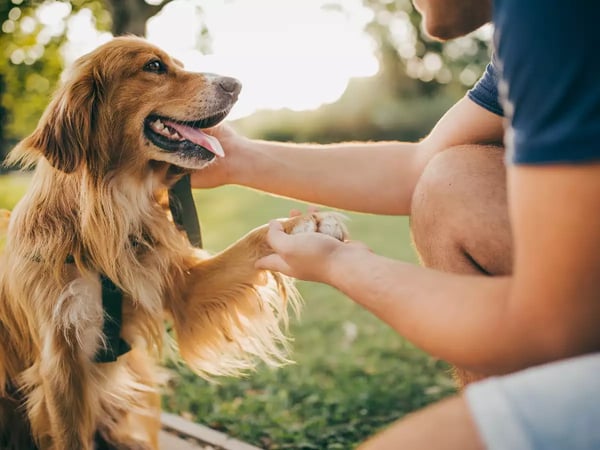
Pet influencers have unlocked a vast marketing potential, particularly in the pet industry, including sectors related to pet care industry, accessories, and lifestyle products. Brands are increasingly partnering with these furry stars to promote pet products such as toys, food, and grooming tools in a more organic and relatable manner. Pet brands and pet related brands are leveraging pet influencers to showcase their products—including toys, food, and accessories—to engaged pet-loving audiences, building trust and enhancing brand visibility.
The pet-care industry has shown resilience, with a forecasted 6.06% increase in market size from 2025 to 2032. Top brands are using short-form videos like TikTok and Instagram Reels to effectively showcase pets and products together, maximizing reach and engagement. User-generated content (UGC) from pet influencers can enhance a brand's social presence and ad performance without requiring a hefty budget. Collaborating with pet influencers allows brands to reach a broader audience due to the universal appeal of pets. Whether it’s showcasing the latest pet food, stylish accessories, or innovative grooming tools, pet influencers have the ability to influence purchasing decisions, drive consumer engagement, and boost sales.
Collaborations and Campaigns
Influencer marketing is the broader context for collaborating with pet influencers, offering brands a powerful way to reach engaged audiences. Collaborating with pet influencers involves planning and executing influencer campaigns and integrated campaign initiatives that create authentic content aligning with both the brand’s message and the pet’s unique persona. Successful influencer campaigns often involve storytelling that integrates the product seamlessly into the pet’s everyday life, and brands are increasingly moving towards micro-influencers and nano-influencers for tighter-knit communities and higher trust.
It’s essential to treat pet influencers as true influencer partners, focusing on building long term relationships and genuine partnerships that go beyond one-off posts. These partnerships foster brand loyalty and trust among audiences. Brands should personalize their outreach and maintain strong communication with pet influencers to nurture these collaborations.
Pet influencers need creative control and creative freedom to integrate brands naturally into their storytelling. Allowing for less scripted content in influencer collaborations can drive higher purchase intent and more authentic engagement. Notably, collaborating with pet influencers often results in better marketing outcomes than partnering with human influencers.
When planning influencer campaigns, having a clear strategy and focus on relevant metrics, hashtags, and industry-specific segments is crucial to optimize campaign effectiveness. For example, a pet influencer known for outdoor adventures could promote travel gear, while a pampered dog might endorse luxury pet beds or grooming products.

Building Trust and Engagement
One of the key reasons brands are drawn to pet influencers is their ability to build trust and foster genuine engagement with their audiences. Followers perceive recommendations from these beloved pets as trustworthy endorsements, leading to higher conversion rates and brand loyalty, especially since pet parents trust recommendations from other pet parents, making pet influencer marketing particularly impactful. Plus, the viral nature of pet content often results in increased visibility and organic growth for both the influencer and the brand.
To assess the effectiveness of influencer collaborations, brands should track key metrics such as engagement rates, reach, and growth. Monitoring influencer posts and performance is essential to measure the success of these partnerships. By analyzing customer feedback, reviews, and social media interactions, brands can gain valuable insights into customer preferences, product perceptions, and overall campaign effectiveness. This data helps brands better understand their customers and refine future pet influencer marketing strategies.
Impact on Social Media Platforms
Pet influencers are reshaping online and social media platforms, contributing to the rise of dedicated pet-centric communities and hashtags. Platforms like Instagram’s #dogsofinstagram and TikTok’s #petsoftiktok have become hubs for pet accounts, attracting millions of users who actively seek entertainment and inspiration from these adorable influencers. Brands can discover and partner with pet accounts for marketing campaigns by reviewing existing customers and using targeted hashtag research, such as searching for dog influencers with #dogfoodreview or engaging cat content.
Creators play an important role in producing engaging pet content, and many pet influencers manage their own accounts, making direct communication and personal engagement important when reaching out for collaborations. Dog influencers and cat content are especially popular on social media platforms, with each post often generating high engagement and authentic connections.
How Pet Brands can Maintain Long Term Relationships with Partners and Pet Parents
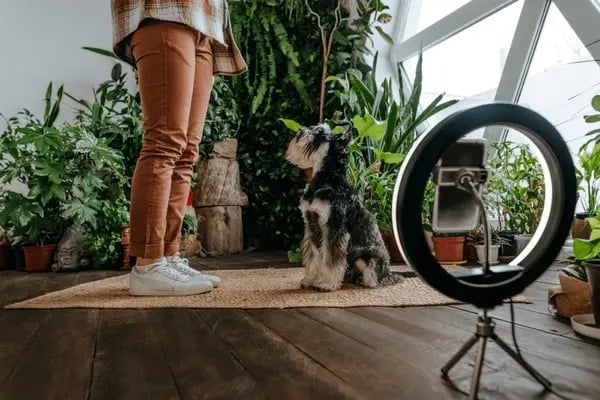
Creating lasting partnerships with influencer partners starts with finding and meeting them first, of course! Pet businesses can discover the right pet influencers through dedicated agencies or platforms that allow filtering by breed, size, and species. A pet influencer agency is a specialized company that connects pet-related brands with influential figures in the pet and animal niche to promote products or services. These agencies offer services including securing brand deals, managing social media collaborations, and strategizing content creation for pet influencers.
Pet influencer agencies uniquely cater to pets with online popularity, managing their collaborations with brands, and many generate revenue through brand partnerships and sponsored content. They help brands connect with a substantial network of pet influencers, often reaching millions of devoted pet enthusiasts. In 2025, pet influencers are preferred by brands due to their engagement rates averaging 5% to 7% — significantly higher than the 2.4% average of human influencers. Additionally, brands can benefit from collaborating with pet influencers even if they are not in the pet industry, as long as the influencer's audience aligns with their target market.
High Engagement Rates Lead to Loyal Customers for Life
Drawing your ideal customers in using the power of influencer marketing is the first step toward maintaining a solid customer base. And who knows — your next client might be a social media star in their own right! Converting your online audience into visitors who book with your business time and time again requires a holistic marketing strategy that puts the pet parent and their pups first.
The rise of pet influencers underscores the power of genuine connections and the enduring appeal of our furry friends in shaping modern marketing trends. As we navigate the evolving landscape of digital media, one thing remains clear — pets have not only captured our hearts but also become influential ambassadors in the world of marketing.


Subscribe to the Gingr Blog