 Boarding
 Daycare
 Grooming
 Training
 Dog Park / Dog Bar
 Enterprise
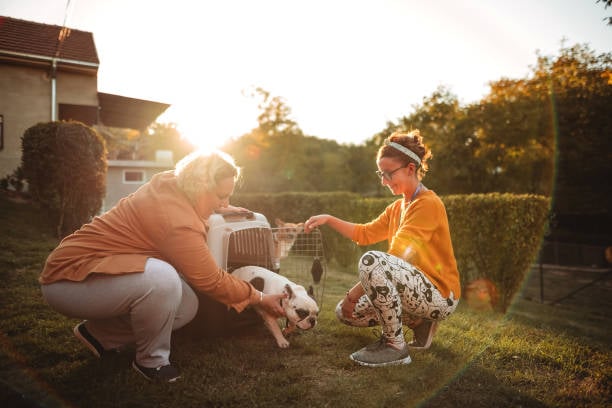
Creating Comfort, Safety, and Structure for Every Dog
A dog crate isn’t just a kennel — it’s a sanctuary. Whether used for training, travel, or downtime, the right dog crate gives your pup a space to feel safe, calm, and secure. Crates can reduce stress, prevent destructive behavior, and create consistency in your dog’s daily routine.
Modern dog crates are designed with specific features for comfort, safety, and to support dogs at different life stages.
For pet-care professionals — from groomers to boarders — crates and kennels also play a key role in maintaining organization, safety, and comfort for every guest.
To pick the most versatile and suitable crate, consider each dog’s needs, habits, and environment. Let’s break down how to find the best dog crate for your home or business.
Why Crates Are Important for Dogs
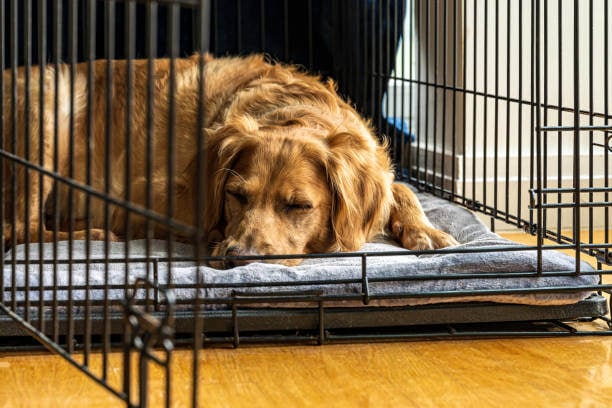
Crates mimic a dog’s instinctual desire for a den, a quiet space where they can retreat, relax, and recharge. Used correctly, crates support both behavioral and emotional well-being.
Benefits of Dog Crates:
- House Training: Crates help many dogs learn boundaries and build bladder control.
- Safety: They keep dogs secure when you’re away or traveling.
- Calm and Confidence: Crates reduce anxiety and offer comfort during storms, fireworks, or transitions.
- Travel Ease: Dogs feel safer in familiar spaces, whether in the car, at the vet, or boarding overnight.
For pet businesses, crates also improve operations. Organized crate management helps separate dogs for meals, rest, or recovery while maintaining safety and accountability.
Types of Dog Crates
There’s no one-size-fits-all when it comes to crates. Modern dog crates are engineered for safety, durability, and comfort, and each design has specific benefits. Some crates are suitable for every stage of a dog's life. The key is matching it to your dog’s temperament, your lifestyle, and your business needs.
Wire Crates
This is arguably the most popular and versatile type of crate. These provide excellent airflow and visibility, keeping dogs cool and engaged with their surroundings. Wire crates feature ventilation holes that keep dogs comfortable. Many wire crates fold flat for easy storage and transport.
Best for: Home use, daycare rest areas, or crate-trained dogs that prefer openness.
Plastic or Airline Crates
More enclosed and cozy, these types of crates create a secure den-like environment. They’re also airline-approved for travel. The TSA has specific regulations for small pets and dog carriers, notably requiring pet parents to remove their pups from their crates while going through security. A crate that's easy to carry and remove dogs from will help ease travel stress at the airport.
Always check with your airline to ensure the crate meets their specific requirements for air travel.
Best for: Anxious dogs or frequent travelers.
Soft-Sided and Collapsible Crates
A collapsible crate is lightweight, portable, and easy to pack. Perfect for road trips, events, or the dreaded vet visit, but best for calm, crate-trained pets.
When not in use, you can easily store a collapsible crate in your car, closet, or garage, making it ideal for travel and home use.
Best for: Travel, pet events, and mobile groomers. Collapsible crates can also be easily set up and packed away for convenience.
Heavy-Duty or 'High-Anxiety' Crates
A high-anxiety crate, made from reinforced materials like steel or aluminum, is a specialized option built to withstand escape attempts.
Some high-anxiety crates come with a "dog damage guarantee," ensuring your crate is covered if your dog causes any damage. These crates are engineered to withstand high impact and provide lifetime durability, often backed by a lifetime warranty. These heavy-duty crates for anxious dogs are trusted by pros such as trainers, law enforcement, and rescue teams for their reliability and safety.
Best for: Strong, anxious, or high-energy dogs, and those who may benefit from advanced training techniques for experienced dogs.
Inflatable or Fabric Travel Crates
Convenient for short-term use during outdoor adventures or competitions, inflatable crates are also ideal for use at an event or in situations where dogs must be crated to stay with their parents. These are particularly useful during evacuations or emergency scenarios. Not ideal for chewers or untrained pups.
Best for: Temporary setups and gentle travelers.
How to Choose the Right Crate Size
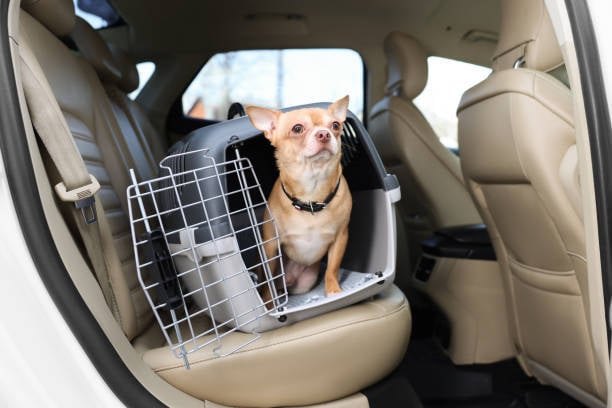
Selecting the correct dog crate size means choosing a crate that fits your dog comfortably and safely. The golden rule: Your dog should be able to stand up, turn around, and lie down with ease.
It's important to provide enough space and enough room inside the crate so your dog can move freely without feeling cramped. The crate should be big enough for your dog to stand, sit, and turn around, but not so big that your dog uses one end as a bathroom. Understanding your pup's needs and growth is essential when choosing the right crate size.
Crate Sizing Tips:
- Measure your dog’s length (nose to tail) and height (floor to ears or head). Add 2–4 inches to both.
- Puppy on the way? Use a crate with a divider panel so you can adjust the space as they grow.
- Too much room can backfire; oversized crates can encourage potty accidents or restlessness.
For dog-boarding businesses, standardize crate sizes by weight range. This ensures dogs are placed safely and comfortably while keeping kennel areas organized.
Key Features to Look For
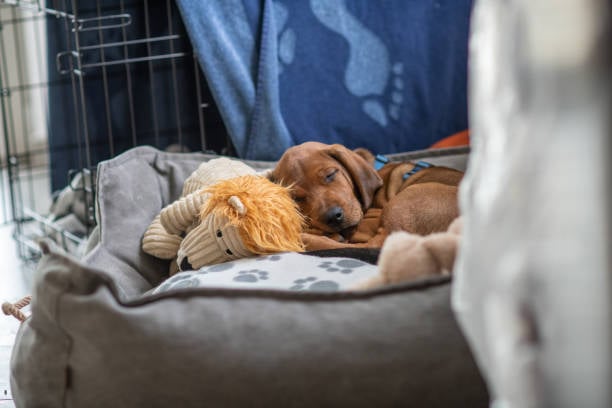
Not all crates are created equal. When searching for the best dog crates, look for options that combine comfort, durability, and convenience. Must-have features include:
- Durable materials (steel, aluminum, or reinforced plastic) for long-term use.
- Adequate ventilation to keep dogs cool and calm.
- Removable trays for easy cleaning and hygiene.
- Secure latches to prevent escapes.
- Portability options like foldable frames, handles, or wheels.
- Warranty or guarantee for added peace of mind.
Acquiring the right crate is an important step for dog owners to ensure their pet’s safety and comfort. If you’re managing multiple crates in a dog boarding or daycare facility, label and track them digitally with Gingr’s kennel management tools to streamline operations.
Where to Place a Dog Crate
Placement matters. The right location can make a crate feel like home instead of confinement.
At Home:
- Choose a quiet, low-traffic spot near family activity (like the living room or bedroom corner).
- Avoid drafts or direct sunlight.
- Keep it consistent — dogs thrive on predictable spaces.
In a Pet Business:
- Designate crate or kennel zones for rest, feeding, or post-play recovery, following protocols for running a successful and safe kennel.
- Maintain a temperature-controlled environment.
- Use software like Gingr to assign and monitor crate use, ensuring every dog gets the right space at the right time.
Best Dog Crate for Special Needs and Situations
Just as every furry friend has its own personality, temperament, medical or dietary needs, and energy levels, different dogs require different crate setups to keep them happy, comfortable, and relaxed. Here are some general guidelines to keep in mind:
- High-anxiety dogs: Use enclosed crates with calming aids (like diffusers or music).
- Puppies: Adjustable dividers for growth and potty training success.
- Large breeds: Reinforced metal frames with double doors for safety.
- Frequent travelers: Collapsible or airline-approved crates for easy mobility.
It's important to remember that not all dogs respond well to crate training, and some may need alternative training approaches.
Crate Training Tips and Tricks
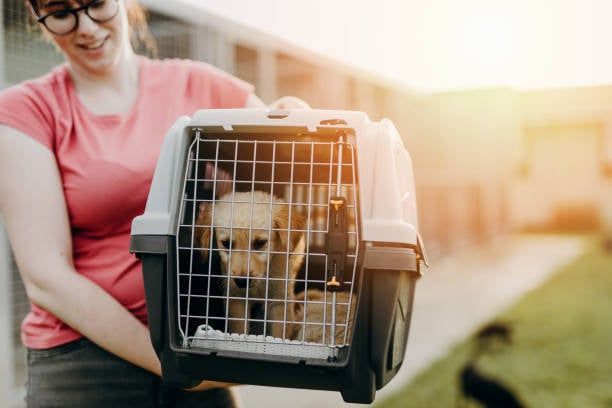
Crate training is a vital step for dog owners and pet owners who want their dogs to view the dog crate as a safe space—not just a place for downtime, but a spot where your pup can truly relax and feel secure. Whether you’re welcoming a new puppy or helping an older dog adjust, the right approach can make all the difference in creating comfort and confidence.
Here are some essential tips and tricks to make crate training a positive experience for both you and your dog:
-
Start Slow and Short: Introduce your dog to the crate with brief sessions. Let your pup explore the crate for a few minutes at a time, gradually increasing the duration as they become more comfortable.
-
Create Positive Associations: Make the crate inviting by adding your dog’s favorite toys, treats, or a cozy blanket. This helps your dog connect the crate with good things and encourages them to enter willingly.
-
Use Consistent Verbal Cues: Choose a simple word like “crate” or “kennel” and use it every time you guide your dog into the crate. Consistency helps your dog understand what’s expected and builds routine.
-
Practice Patience: Every dog adjusts at their own pace. If your pup seems hesitant or anxious, take a step back and try again later. Never force your dog into the crate—gentle encouragement works best.
-
Utilize a Divider for Puppies: If you’re crate training a puppy, use a divider to adjust the space as they grow. This helps with potty training and ensures your puppy doesn’t have too much room, which can lead to accidents.
-
Add Comfort: Place a soft bed or mat inside the crate so your dog has a comfortable spot to rest. A cozy environment encourages your dog to relax and see the crate as their own den.
-
Supervise Early On: Keep an eye on your dog during initial crate sessions to ensure they’re safe and not becoming overly stressed. Supervision helps you spot any issues early and adjust your approach as needed.
-
Gradually Increase Freedom: As your dog becomes more comfortable with the crate, you can slowly allow them more freedom around the house, always returning to the crate as their safe space.
-
Stick to a Routine: Dogs thrive on routine. Make crate time a regular part of your dog’s day, whether it’s for naps, bedtime, or quiet time after play.
-
Use Positive Reinforcement: Reward your dog with praise, treats, or playtime whenever they enter the crate calmly. Positive reinforcement builds trust and makes crate training a rewarding experience.
Remember: Sccessful crate training is all about making your dog feel safe, comfortable, and confident in their crate. If you encounter challenges or your dog struggles to adjust, don’t hesitate to consult a professional trainer for extra support. With patience, consistency, and a focus on your dog’s well-being, you’ll help your pup see their crate as a true home within your home.
Safety and Maintenance Tips
To keep crates safe and sanitary:
- Clean regularly with pet-safe cleaners.
- Inspect for loose parts, rust, or sharp edges.
- Ensure proper airflow to prevent overheating.
- Remove collars or harnesses during crate time to avoid tangling.
For businesses, consistent cleaning protocols and digital tracking ensure safety and transparency — especially when managing high dog volume.
Comfort, Consistency, and Care
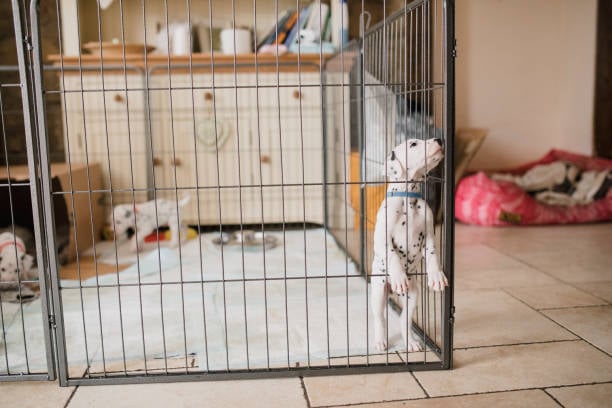
Choosing the best dog crate is an investment in your dog’s comfort and your peace of mind. A well-sized, thoughtfully placed crate promotes relaxation, reduces anxiety, and supports better behavior.
For pet-care businesses, proper crate management fosters smoother operations, happier dogs, and safer staff interactions.
With the right approach and the right tools, you can create a structured, stress-free environment where every dog feels right at home.
Ready to Simplify Pet-Care Operations?
From managing kennel assignments to tracking reservations and pet preferences, Gingr helps you organize every aspect of your business. Book your free demo today!


Subscribe to the Gingr Blog