 Boarding
 Daycare
 Grooming
 Training
 Dog Park / Dog Bar
 Enterprise
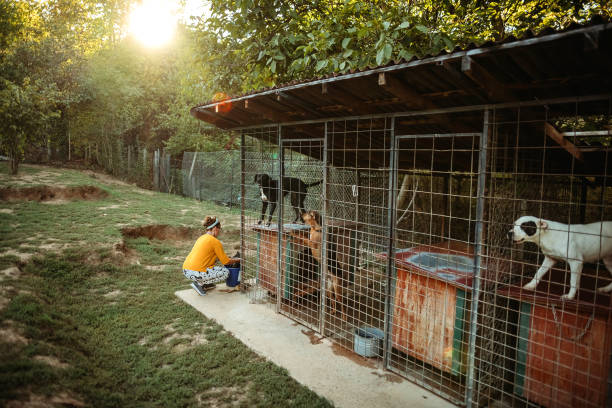
The dog daycare and boarding industry has never been more exciting (or more demanding). What was once a highly local, relationship-driven business is quickly evolving into a sophisticated, service-driven industry shaped by rising expectations, tighter regulations, and rapid technology adoption.
If you run or manage a dog daycare, boarding facility, or pet resort, the changes you’re seeing aren’t isolated. They’re part of a much bigger shift happening across the global pet-care market. The businesses that understand this shift will be best positioned to grow, stay profitable, and build long-term customer loyalty.
Let’s break down what’s changing, why it matters, and what smart operators should be thinking about next.
A Growing Industry with Serious Momentum
The pet daycare and lodging market is on a strong upward trajectory. According to recent industry research, the global pet daycare and lodging market grew from $1.47 billion in 2025 to $1.57 billion in 2026, and it’s projected to reach $2.56 billion by 2032.
That kind of growth doesn’t happen by accident. It’s fueled by several long-term trends that are reshaping how pet parents view care for their dogs, and how businesses need to operate to meet those expectations.
Key growth drivers include:
- Urbanization and lifestyle changes that increase demand for flexible care options
- Rising disposable income, especially among younger pet parents
- The humanization of pets, where dogs are treated more like family members than animals
For operators, this growth represents opportunity—but only if you’re prepared to adapt.

From Local Kennel to Service-Driven Business
One of the biggest shifts in the industry is the move away from a fragmented, mom-and-pop model toward a more standardized, service-driven approach.
Pet parents today expect:
- Consistent care experiences
- Clear communication and transparency
- Reliable safety, sanitation, and health standards
- Enrichment, not just supervision
In other words, “keeping dogs safe” is no longer enough. Customers want proof that their dogs are engaged, happy, and well cared for throughout the day or overnight stay.
For those running pet-care businesses, this means success now hinges on how well service design, staffing models, and technology work together. Facilities that can deliver consistent experiences — regardless of staff shifts, busy seasons, or growth — are the ones pulling ahead.
Premium Experiences Are No Longer Optional
As pets continue to be treated like family, demand is shifting toward premium, experience-focused services.
This shows up in offerings like:
- Structured enrichment programs
- Report cards with photos or videos
- Add-on services like training refreshers, cuddle time, or one-on-one play
- Memberships and packages that reward loyalty
Pet parents aren’t just paying for time and space—they’re paying for peace of mind and a great experience. And they’re often willing to pay more when that value is clear.
The takeaway? Differentiation matters. Facilities that clearly communicate why their experience is better—and back it up operationally—are better positioned to justify premium pricing and build lasting relationships.
Technology Is Reshaping How Facilities Operate
Technology adoption is essential for running a business in the 21st century, and in service-based industries, it’s become foundational.
Modern facilities are embracing tools like:
- Online booking and customer portals
- Pet parent apps for scheduling, payments, and updates
- Digital contracts and vaccination management
- Automated reminders and confirmations
- Integrated payments and reporting
These tools don’t just improve convenience. They directly impact operational efficiency, staff workload, and customer satisfaction.
Facilities that rely on manual processes (paper agreements, phone-based bookings, disconnected systems) often struggle to scale. Staff time gets eaten up by administrative work instead of focusing on pets and customers.
By contrast, businesses that centralize scheduling, communication, payments, and reporting in one system gain visibility, reduce errors, and free up hours every day. That efficiency becomes a competitive advantage as demand grows.

Rising Regulatory Expectations Raise the Bar
Another major force shaping the industry is regulation.
Across many regions, expectations around:
- Sanitation
- Staff training
- Recordkeeping
- Animal welfare
are becoming more formalized and enforced.
Facilities that proactively align with higher standards reduce compliance risk and build trust with pet parents. In an environment where online reviews and word-of-mouth matter more than ever, a strong reputation for safety and professionalism is invaluable.
Early adopters of structured processes and digital recordkeeping often find compliance easier—not harder—because information is organized, accessible, and auditable.
Cost Pressures Are Forcing Smarter Decisions
The industry isn’t growing without challenges. Tariffs and supply chain disruptions have increased the cost of essential supplies and equipment, from cleaning products to facility hardware.
These pressures are forcing operators to rethink:
- Procurement strategies
- Supplier relationships
- Pricing models
Many businesses are exploring localized sourcing or adjusting pricing more dynamically to maintain margins without sacrificing quality.
The key here is visibility. When operators understand their costs, utilization, and revenue drivers in real time, they’re better equipped to make proactive decisions instead of reactive ones.
Segmentation Is the Key to Sustainable Growth
As the market matures, a one-size-fits-all approach no longer works.
Successful operators are increasingly segmenting their businesses by:
- Service type (daycare vs. lodging vs. add-ons)
- Pet type and care needs
- Distribution channels (online self-service vs. in-person)
- Pricing tiers
Clear segmentation helps facilities design operations more efficiently and market more effectively. For example, daycare clients may value flexible scheduling and memberships, while boarding clients prioritize communication and detailed updates.
Understanding these differences allows operators to allocate staff, space, and resources where they deliver the most value.
Regional Differences Matter More Than Ever
Demand, regulation, and consumer expectations vary widely by region.
What works in a dense urban market may not translate directly to a suburban or rural facility. Pet businesses expanding into new locations, or even refining their current model, need to account for:
- Local regulatory requirements
- Labor availability and costs
- Consumer preferences
- Supply chain realities
Facilities that tailor their services and operations to local conditions are better positioned to grow sustainably and avoid costly missteps.
Competition Is Increasing
As the industry grows, competition is intensifying. The leaders pulling ahead tend to share a few key traits:
- Operational excellence
- Thoughtful use of technology
- A strong commitment to animal welfare
- Direct relationships with pet parents
Many successful businesses are investing in direct engagement through apps, portals, and branded communication to build loyalty and reduce reliance on external marketplaces.
What This Means for Dog Daycare and Boarding Professionals
Growth is creating opportunity, but it’s also raising expectations. Pet parents want more transparency, more convenience, and better experiences. Regulators want higher standards. Staff want better tools and workflows.
The businesses that thrive will be the ones that:
- Invest in service design, not just capacity
- Use technology to reduce busywork and improve consistency
- Adapt pricing and procurement strategies as costs change
- Segment their offerings intentionally
- Build trust and loyalty through communication and care
This doesn't mean becoming “bigger” at all costs, but rather, taking deliberate action to be better and putting parameters in place to support your business as it evolves.
The projected growth is a powerful signal. The demand is there. The question is how facilities choose to meet it.
Kennels and daycares that embrace change thoughtfully by balancing innovation with care, efficiency with empathy will be the ones building resilient, profitable businesses for years to come.
And in an industry built on trust, that might be the most important shift of all.
Thriving in a Changing Industry Starts with the Right Foundation
The dog daycare and boarding industry is growing fas, —but growth alone doesn’t guarantee success. As expectations rise and operations become more complex, the facilities that thrive will be the ones that run smarter, connect more deeply with pet parents, and turn great care into sustainable revenue.
That’s where having the right systems in place makes all the difference.
Optimize Operations
When demand increases, inefficiencies get more expensive. Manual processes, disconnected tools, and paper-based workflows don’t scale, and they burn out staff along the way.
Modern pet-care businesses are optimizing operations by centralizing scheduling, communication, payments, staff workflows, and reporting in one place. Automation reduces errors, shortens lines at check-in, improves visibility across the facility, and gives teams more time to focus on what really matters: the pets.
Build Loyal Customers for Life
In a more competitive market, loyalty is everything.
Pet parents stay loyal to businesses that are easy to work with, transparent, and proactive. Online booking, a branded pet parent app, automated reminders, digital report cards, and clear communication all work together to build trust and keep customers coming back.
When pet parents feel informed, valued, and confident in your care, they don’t just book once—they become customers for life.
Maximize Revenue Without Sacrificing Care
Facilities that maximize revenue do so by making it easy for pet parents to say “yes” to the right services and premium experiences without adding administrative strain.
Smart pricing rules, automated payments, and built-in marketing tools help increase average tickets, reduce no-shows, and create predictable recurring revenue.
The result? Stronger cash flow, better forecasting, and a business that’s built to weather seasonality and change.
Ready to Lead the Next Chapter of Pet Care?
The dog daycare and boarding industry is evolving—and the businesses that succeed will be the ones that evolve with it.
If you’re looking to:
- Optimize operations as demand grows
- Build loyal customers who keep coming back
- Maximize revenue while delivering exceptional care
…it may be time to see what Gingr can do for your business.
Book a demo and see how Gingr helps pet-care professionals thrive today and for the long run.


Subscribe to the Gingr Blog