 Boarding
 Daycare
 Grooming
 Training
 Dog Park / Dog Bar
 Enterprise
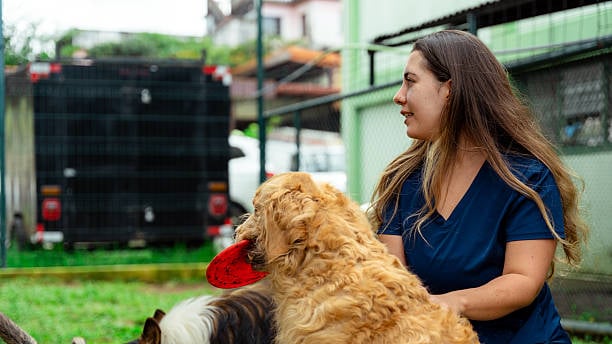
Modern kennels and daycares manage multiple dogs, high customer expectations, and sensitive client data. Ensuring the safety and well-being of pets in boarding facilities requires a combination of physical security, rigorous health protocols, and qualified staff oversight.
Security in 2026 means combining physical safety, data protection, staff vetting, and documented procedures—not just security cameras and locks.
Secure boarding operations require clear intake rules, controlled access points, constant supervision, and emergency preparedness plans for every scenario.Unlike home-based pet care, facility-based boarding faces unique risks: escapes during peak holiday weekends like Memorial Day and July 4th, disease transmission among animals, and data breaches involving vaccination records and payment information. With pet industry spending projected to exceed $150 billion annually in North America, the stakes have never been higher.
Comprehensive Health & Behavior Screening Before Boarding
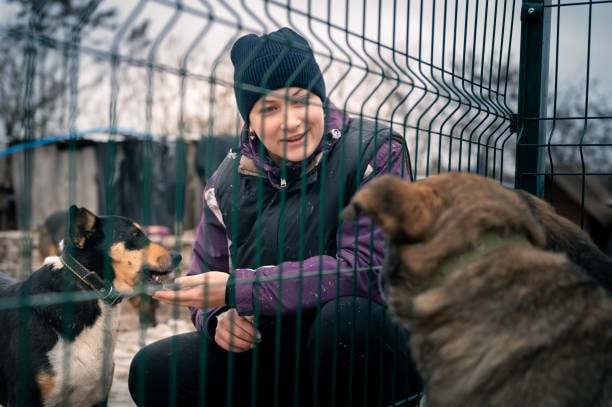
Strong health and behavior policies form the first layer of security against illness, injuries, and liability claims and tie directly into core kennel protocols for safety and success. Every pets deserves proper screening before entering your facility.
Vaccination requirements are non negotiable:
- Most professional facilities require proof of core vaccinations before dogs enter group care, including rabies, distemper, and parvovirus, with Bordetella and canine influenza often recommended as well
- Staff should verify expiry dates, not just vaccine names; facilities checking expiry dates reduce outbreak risks by up to 70%
- Health screening procedures should be implemented for all pets entering a facility, verifying updated vaccinations, parasite prevention, and regular wellness checks
- Strict vaccination verification policies are critical to maintaining health standards and preventing kennel cough outbreaks
Standardized intake questionnaires should capture:
- Medical conditions and medications with precise dosing schedules
- Allergies, bite history, and aggressive behavior indicators
- Resource guarding triggers and separation anxiety signs
- Medical needs and veterinary care preferences
A clear admission policy should be established to ensure that only healthy dogs are accepted. Consider implementing a trial day policy (i.e., 3-4 hour assessment visit) —to observe temperament evaluations, reactivity, and stress levels before accepting multi-night bookings.
Staff should be trained to identify early signs of illness to ensure prompt medical care. Flag high-risk notes prominently in each pet’s digital file, and ensure digital waivers are signed in advance via the customer portal, clearly outlining facility rules and owner responsibilities.
Secure Facility Design, Access Control & Containment
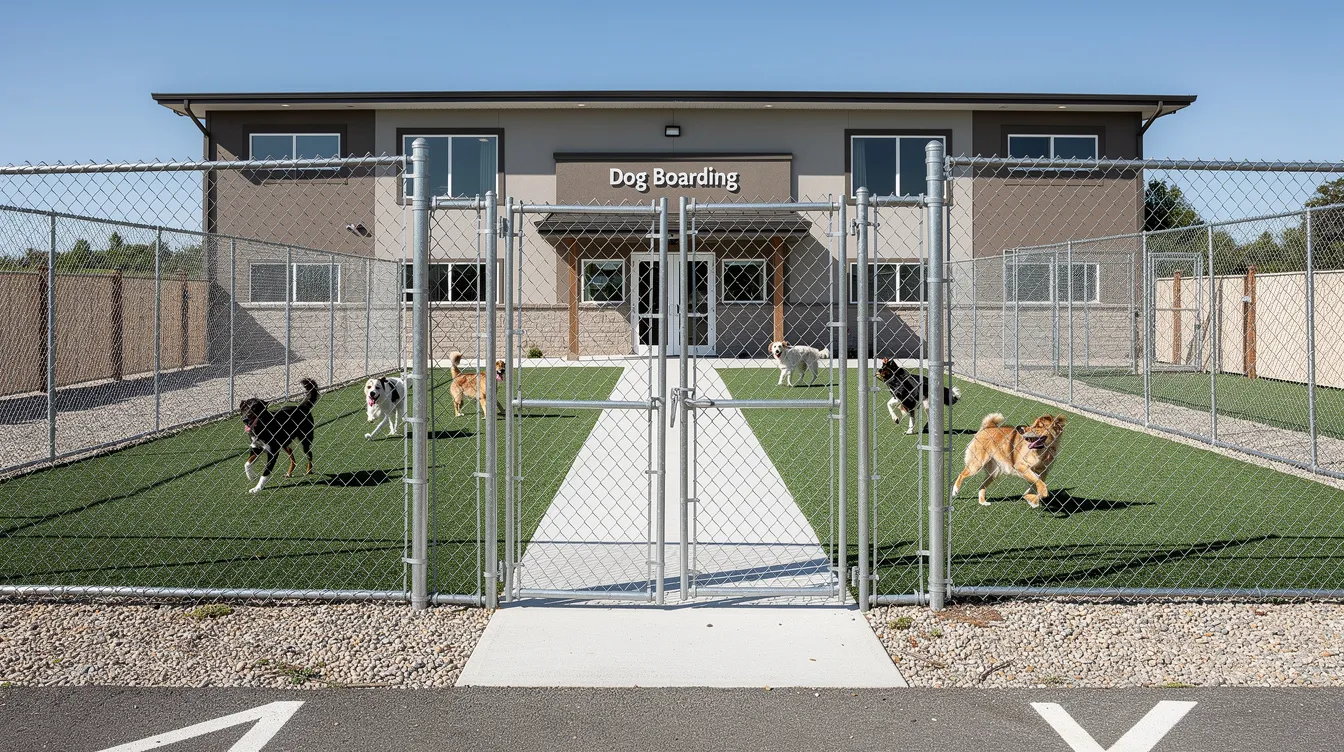
Physical design is central to preventing escapes, unauthorized access, and injuries. Proper facility design, including secure fencing, non-slip flooring, and clear sightlines, significantly contributes to the safety of dogs in daycare environments.
Perimeter security essentials:
- High-grade fencing around outdoor play areas is typically 6 to 8 feet high and may include dig guards to prevent escapes
- Secure containment includes double-door entry systems, self-closing gates, and extra-high fencing (at least 8–10 feet) to prevent pets from escaping
- Daily inspection logs should document any wear or damage
Pet boarding facilities should utilize double-entry doors and secure, monitored environments to enhance physical security. These vestibule systems counter “door dash” escapes during busy Friday drop off periods.
Functional zoning recommendations:
|
Zone |
Access Level |
Security Features |
|---|---|---|
|
Lobby |
Public |
Visitor containment, sign-in |
|
Boarding rooms |
Staff only |
Keycard access, CCTV |
|
Isolation areas |
Restricted |
Separate HVAC, locked entry |
|
Medication storage |
Manager only |
PIN access, audit logs |
Isolation areas should be designated for immediate quarantine of pets showing signs of illness during their stay. Kennel hardware should include self-latching doors with no gaps, and damaged panels should be tagged out and replaced promptly.
High-quality physical barriers and monitoring systems prevent escapes and unauthorized access. Facility maps and evacuation routes should be posted in staff areas and updated as layouts evolve.
Staff Vetting, Training & Security Culture
Staff are your primary security system, responsible for both pet safety and protection of client information. Constant supervision is essential in dog daycare facilities to prevent accidents and ensure the safety of all pets, with trained staff monitoring interactions and body language at all times.
Pre-employment screening should include:
- Reference checks with prior employers
- Employment history verification
- Background checks where permitted by local regulations
Staff training and certification are essential in dog daycare facilities to enhance safety. Onboarding should cover handling protocols, escape prevention, bite-prevention techniques, and reading canine body language. Proper staff training in handling techniques and recognizing canine body language can significantly decrease the chances of dog bites and other incidents.
Trained staff must monitor body language to de-escalate conflicts before they lead to fights in pet care settings. Ongoing education for staff in canine behavior, conflict prevention, and first aid is crucial for maintaining high safety standards.
By mid-2026, facilities should have at least one staff member per shift certified in pet first aid and CPR. Emergency preparedness is enhanced through staff training in CPR and first aid.
Include cybersecurity training: recognizing phishing emails, not sharing login credentials, and logging out of shared terminals. Use role-based permissions in software like Gingr so front-desk staff, kennel techs, and trained personnel see only what they need.
Regular safety meetings and shift huddles reinforce policies on gate checks, verified handoffs, and incident documentation. Foster a “speak-up” culture where any team member can raise a concern about security or safety risk without fear of blame.
Physical Security Systems & Daily Operational Controls
Technology only works when paired with disciplined daily procedures. A multi-layered security approach combines physical barriers, advanced surveillance systems, and stringent health protocols.
Minimum physical systems:
- Monitored alarm system with cellular backup
- Security cameras covering entries, play areas, and corridors with 30-90 day video retention
- Motion-activated lighting for exterior yards and parking lots
- Facilities should maintain 24/7 temperature control with built-in alarms for sudden changes and advanced fire protection like sprinkler systems and fire alarms
Credential management best practices:
- Unique codes for each employee
- Immediate deactivation when someone leaves
- No sharing of cards or fobs
Standardized opening and closing checklists should include gate checks, kennel door checks, HVAC pathogen filters, and alarm arming with double-signoff, mirroring the key tasks on a daily kennel staff checklist. Keep clients in the lobby—no unescorted walks through kennel corridors—and maintain sign-in logs for contractors.
Document and investigate any security anomalies like unexplained open gates or propped exterior doors. Climate-controlled indoor areas with proper ventilation reduce pet stress and risk of overheating.
Cybersecurity & Protection of Client and Business Data
Your pet care business now stores vaccination histories, payment data, and ID copies that require protection. In 2025, breaches exposed thousands of pet and owner records, making cybersecurity essential for every facility.
Password and access policies:
- Minimum 16-character passwords with quarterly rotation
- Multi-factor authentication on payment processing and admin accounts
- Role-based permissions masking sensitive fields like partial card details
- No shared accounts for staff logins
Cloud-based platforms like Gingr use encryption in transit (TLS) and at rest, which is safer than local spreadsheets or paper files prone to loss. Regularly deactivate old client portal accounts and review admin rights quarterly.
Implement the 3-2-1 backup rule: 3 copies, 2 media types, 1 offsite. Know how quickly data can be restored after an outage. A simple written incident response plan for suspected data breaches should define who investigates, who is notified, and how to communicate transparently with pet owners.

Emergency Preparedness, Incident Response & Documentation
A safe facility plans for fires, severe weather, medical emergencies, and technology outages, revisiting these emergency preparedness plans annually. Quality pet boarding facilities implement emergency protocols that include documented and practiced fire safety plans.
Region-specific planning:
- Wildfires (Western states): evacuation to pre-vetted sites within 2 hours
- Hurricanes (Southeast): hurricane shutters, generator fuel for 72 hours
- Blizzards (Midwest): heated indoor relief areas with right equipment
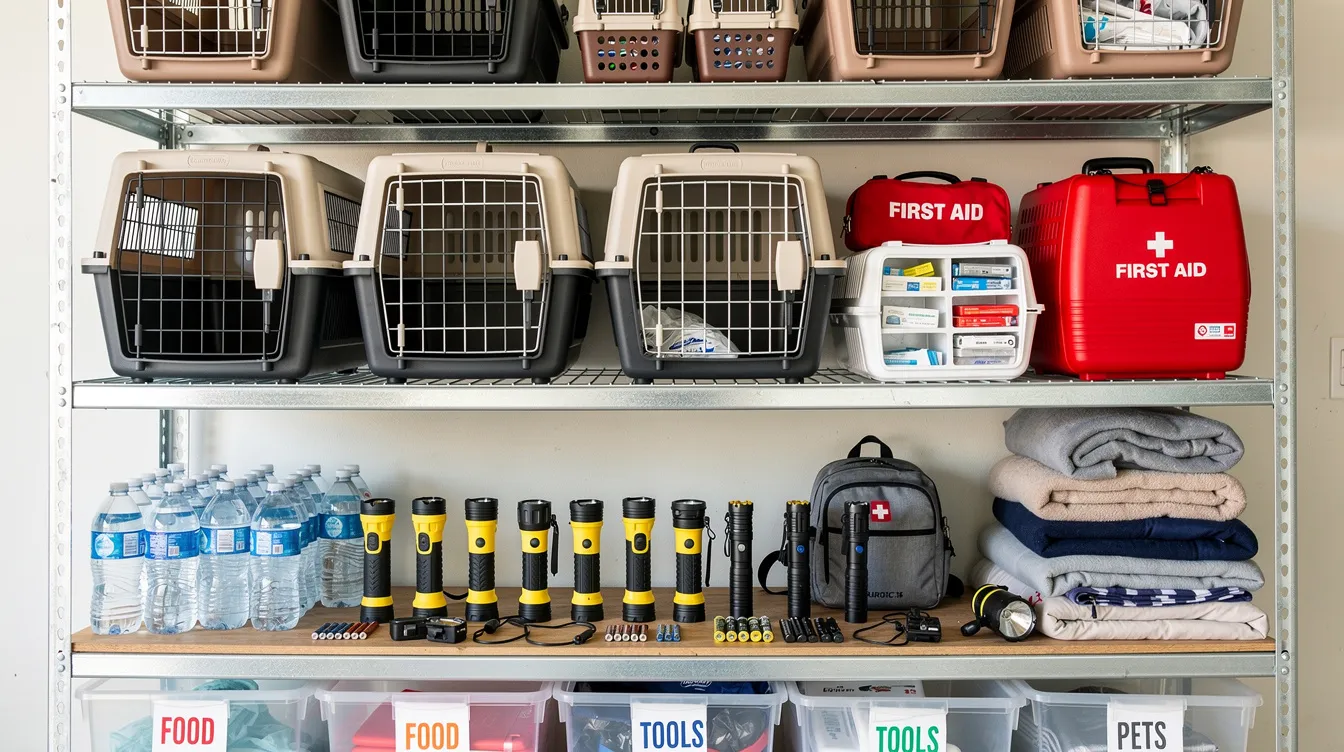
Every dog daycare should have a clearly outlined emergency response plan that includes evacuation routes, medical supplies, and emergency contacts. Maintain carrier inventories at 1:1 ratio and establish vet partnerships for 24/7 access.
Staff should be trained in first aid and CPR for dogs to provide quick assistance during emergencies. Medical emergency workflows should clarify when staff administer first aid, when they transport to a veterinarian, and how they attempt to reach owners while veterinary care is initiated.
Use standardized incident reports with time-stamped notes, photos, and follow-up actions. Facilities should have documented procedures for emergencies, including regular practice of evacuation and emergency response plans to ensure staff familiarity. Conduct drills twice yearly and document lessons learned.
Transparent Client Communication, Verified Handoffs & Accountability
Transparent communication with pet owners is essential for building trust and accountability in pet care facilities. Clear communication serves as both a customer-experience tool and a critical layer of security.
Verified handoff procedures:
- Photo ID checks at pickup
- Unique PINs or QR codes from pet parent apps
- Confirmation of authorized pickup persons stored in software
Establishing clear drop-off and pick-up procedures, including identity verification, is a key component of effective client communication. Digital check-in forms should confirm feeding instructions, medications, behavior notes, and special precautions, minimizing miscommunication.
Providing regular updates, behavior reports, and incident notifications to pet parents enhances their confidence in the care their pets receive. Automated messaging can confirm bookings, send vaccination reminders, and notify owners about incidents in real time.
Visual reassurance measures—live webcams in play yards or photo/video report cards—document pet well being and environment conditions. Post clear policies on your website explaining health requirements, surveillance use, and what happens in emergencies.
Audits, Compliance & Continuous Improvement
Security requires scheduled reviews aligned with local regulations and industry standards. Quarterly internal security audits should check door hardware, camera coverage, alarm logs, staff access permissions, and vaccination compliance levels.
Many facilities require municipal kennel licenses, fire inspections, and adherence to animal control ordinances. Track renewal dates in a central calendar and reference safety guidelines from organizations like AVMA.
Metrics to track:
- Incident rates and escape attempts
- Dog fight occurrences during group play
- Medication errors and near misses
- Vaccination compliance percentages
Treat incidents as learning opportunities feeding into updated SOPs and staff training topics. Include security investments in annual budgeting to keep improvements moving forward.
Sanitation and Environmental Controls
Strict hygiene practices are essential for preventing the spread of contagious diseases. Daily cleaning schedules and the use of pet safe disinfectants are essential for maintaining hygiene, preventing illness among the animals.
Daily disinfection of high-traffic areas using pet-safe, hospital-grade disinfectants is critical. Accidents should be cleaned immediately to avoid contamination and the spread of infections such as kennel cough and parasites. Facilities should have a plan for laundering bedding, sanitizing toys and water dishes, and managing waste to prevent cross-contamination and maintain hygiene.
Maintaining a sanitized, temperature-controlled environment significantly reduces stress and illness and supports dogs' comfort in your boarding facility. Use non toxic cleaning products throughout, and ensure separate areas for rest breaks away from high-energy play areas.
Group Play Management
Group play in pet boarding facilities should be organized strictly by size, temperament, and play style to minimize injuries. Temperament assessments of pets before admission to group play are essential to prevent conflicts.
Monitor energy levels and provide enriching experience through appropriate toys and activities, supported by safe, purpose-built dog daycare playground equipment. Ensure dogs with different play style preferences are grouped appropriately, and provide short periods of rest throughout the day. Staff providing supervision should respond quickly to any signs of stress or conflicts between other animals, especially those showing signs of fatigue or overstimulation.
How Pet-Care Software Like Gingr Supports Security Best Practices
The right software platform underpins many operational security controls. Gingr dog daycare software for operational security and efficiency stores vaccination records, signed waivers, and behavior notes in a centralized, permission-based system accessible from any secure device.
Digital check-in/check-out workflows require staff to confirm key fields—authorized pickup person, medications, feeding instructions—before completing handoffs. Role-based access and activity logs create an audit trail of who updated records, processed payments, or changed reservations.
Integrated pet boarding business software with PCI-compliant partners eliminates risky manual storage of card information. Automated reminders for expiring vaccinations, overdue balances, and missing waivers reduce manual errors. Business analytics identify patterns—such as frequent incidents in a specific yard—helping owners prioritize targeted improvements.
Turning Security into a Competitive Advantage
Robust security—spanning health protocols, physical design, data protection, and staff culture—is now a core differentiator for professional pet boarding. When pet parents trust that their pets are in the best possible hands, client trust translates to loyalty and referrals.
Facilities investing in documented protocols, modern software, and ongoing training not only reduce risk but build long-term relationships. Review your current security posture and consider booking a demo of Gingr to see how software can help enforce and document these best practices across your facility.
Frequently Asked Questions
How often should I review and update my pet boarding security policies?
Formal reviews should be scheduled at least annually, with quicker updates after any significant incident, regulatory change, or facility renovation. Consider a mid-year mini-audit focused on new risks—such as adding a second outdoor yard—and any technology updates introduced since your last review.
What are the most common security mistakes boarding facilities make?
Typical gaps include propping exterior doors open, sharing staff logins, inconsistent ID checks at pickup, and failing to verify vaccination expiry dates. Many issues stem from informal processes, so documenting and training on standard operating procedures is a critical first step.
Do I really need cybersecurity measures if I’m a small, single-location kennel?
Even small facilities store personal details, vaccination records, and payment information, making them targets for generic phishing and password attacks. Basic steps—unique logins, MFA, secure cloud software like Gingr, and staff awareness training—are low-cost but high-impact for any business.
How can I prove to pet parents that my boarding facility is secure?
Visible measures include posted security and health policies, clear check-in/out procedures, and optional facility tours outside peak hours. Using professional software, providing written incident reports, and sharing photos or report cards during stays all demonstrate operational control.
What’s the first security improvement I should make if my budget is limited?
Start with low-cost, high-impact steps: tightening drop-off/pick-up verification, standardizing gate and door checks, and centralizing records in secure software. Once basic procedures are solid, plan phased investments in upgraded fencing, cameras, and additional staff training over the next 12-24 months.


Subscribe to the Gingr Blog

.svg)