 Boarding
 Daycare
 Grooming
 Training
 Dog Park / Dog Bar
 Enterprise

When you’re evaluating pet-care software, features like scheduling, online booking, and payments usually top the list.
But there’s another factor that deserves just as much attention: security.
Modern pet-care businesses manage far more than reservations. You’re storing pet parent contact details, processing payments, collecting signed waivers, and maintaining vaccination and medical records, all in one centralized system.
Choosing secure software isn’t just an IT task. It’s a business decision that protects your revenue, reputation, and customers for the long haul. Data security is foundational for pet care businesses as they manage sensitive customer data and digital payments. Pet parents expect convenience, transparency, and security from pet-care businesses in the digital age. For orgs handling large volumes of sensitive data, robust data protection is a business-critical priority.
This guide walks you through exactly what to look for when evaluating security in cloud-based pet-care software. Strong security practices not only reduce risk, they also build trust with your customers, support business growth, and help your business expand with confidence.

Why Data Security Is a Key Factor for Pet Care
Today’s pet-care businesses store:
- Personally identifiable information (PII)
- Payment data and recurring billing details
- Sensitive information & customer data
- Financial data
- Signed service agreements and waivers
- Pet vaccination and medical records
- Staff records and payroll information
Centralizing this data improves efficiency and increases responsibility.
A secure software provider reduces security and operational exposure and should be part of broader risk management strategies for pet-care businesses:
- Risk of data breaches
- Operational downtime during peak seasons
- Financial reporting errors
- Potential regulatory penalties
A breach of customer data can lead to significant financial losses and damage to reputation for pet care businesses.
Independent assurance, such as SOC 2 Type II audits and PCI DSS attestation, is often one of the strongest signals that a vendor takes this responsibility seriously.
What Information Security Means for a Pet Care Business
Information security isn’t just about “not getting hacked.” It’s built around three pillars:
-
Confidentiality – Protecting pet parent and employee data
- Integrity – Ensuring reservations, payments, and records aren’t altered improperly
- Availability – Keeping your system running when you need it most to support daily operations
For pet-care operations, protections must extend to:
- Online booking portals
- Mobile apps
- Integrated payment processing
- Automated communications
- Staff scheduling and role permissions
Maintaining a secure data environment is crucial for protecting sensitive information related to clients and pets in pet-care businesses. If your software goes down during a holiday boarding rush, security suddenly becomes very real.
Customer Data and Privacy Concerns Specific to Pet-Care Businesses
Pet-care businesses handle uniquely sensitive combinations of data, including information that is covered by legal and regulatory considerations for pet-care businesses:
- Home addresses and phone numbers (address is a particularly sensitive data point that must be secured to prevent privacy breaches or malicious attacks)
- Emergency contacts
- Payment tokens and cards on file
- Signed consent forms (ensure informed consent is obtained and documented for ethical data handling)
- Feeding and medication instructions
- Vaccination histories tied to specific pets
Pet businesses should secure customers' information, pets' information, signed consent forms, security camera footage, and credit card information.
Privacy risks can include:
- Unauthorized access by staff
- Improper sharing of personal information
- Location exposure from integrated tracking tools
- Misuse of webcam or monitoring technology
It is essential to protect clients' information and maintain their trust by ensuring confidentiality and robust security measures.
Strong vendors should maintain clear:
- Data minimization practices
- Defined retention policies
- Transparent privacy disclosures
- Clear and accessible privacy policies
- Compliance with regional privacy laws
Reducing unnecessary data exposure lowers risk for everyone. Pet care businesses should limit the amount of data collected to what is necessary for their operations to enhance security.
Technical Controls: Cloud-Based Security, Data Integrity, and Privacy-Enhancing Technologies
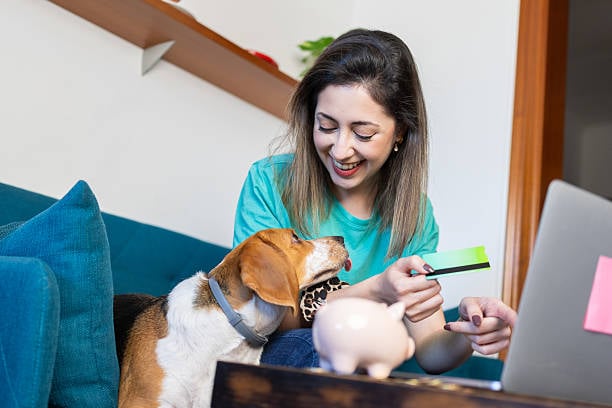
When evaluating cloud-based SaaS platforms, ask about the technical safeguards in place. It’s crucial to ensure the database where sensitive customer and pet information is stored is secure, as breaches can compromise both data privacy and business reputation.
Verify that each device used to access or store sensitive data is kept secure, including smart pet technologies and monitoring systems, as device malfunctions or vulnerabilities can impact both pet safety and data security.
Cloud-based software solutions can help pet care businesses manage and secure customer data more effectively than traditional systems by leveraging advanced security features, such as encryption, access controls, and compliance with frameworks like SOC 2.
Ask if the software automatically applies security patches to protect against new threats, and whether it performs automatic backups to secure offsite locations to ensure data can be restored after incidents like ransomware attacks.
Cloud-based software solutions can enhance data security by providing automatic updates and backups, reducing the risk of data breaches and helping keep your data secure.
Encryption Standards
Your vendor should use:
- AES-256 encryption for data stored at rest
- TLS 1.2 or higher for data transmitted in transit
This protects sensitive data during storage and communication.
Data Integrity Controls
Look for systems that use:
- Immutable audit logs
- Versioning controls
- Checksum validation
- Regular, tested backups
These measures ensure that vaccination records, financial reports, and reservation histories cannot be silently altered.
Privacy-Enhancing Technologies
Advanced providers may implement:
- Tokenization for payment processing
- Selective data disclosure
- Secure key management and Hardware Security Modules (HSMs)
These approaches reduce exposure of raw sensitive data.
Authentication, Access Controls, and Monitoring
Pet-care facilities typically have multiple user roles:
- Front-desk staff
- Groomers
- Caregivers
- Managers
- Owners
Your software should support:
- Multi-factor authentication (MFA)
- Single sign-on (SSO) where applicable
- Role-based access control (RBAC)
- Least-privilege enforcement
Only certain staff members should have access to specific types of sensitive data, based on their roles and responsibilities. For example, caregivers may not need access to financial reporting — and front-desk staff may not need access to payroll data. Pet care businesses should limit employee access to sensitive data to prevent unauthorized access and potential data breaches.
Continuous logging and monitoring systems should:
- Track login attempts
- Detect unusual access patterns
- Preserve immutable audit trails
This is especially important for dispute resolution, compliance, and internal investigations.
.png?width=612&height=604&name=Screenshot%20(252).png)
Organizational Controls: Policies, Training, and Vendor Governance
Security isn’t just technical — it’s operational. Organization controls are essential for evaluating how organizations manage data security, confidentiality, and privacy.
Strong vendors maintain:
- Documented security policies
- Incident response plans (vetted vendor policies should include a clear incident response plan to manage breaches)
- Regular tabletop exercises
- Employee security awareness training (training employees to recognize phishing attempts and handle customer data securely is essential)
- Unique usernames for each employee; shared accounts should be forbidden
Phishing and credential compromise remain among the most common threats to small businesses. Ongoing staff education reduces this risk.
Vendor governance should also include:
- Written Service Level Agreements (SLAs)
- Data Processing Agreements (DPAs)
- Subprocessor transparency
- Third-party risk assessments
Security maturity shows up in documentation and process — not just marketing claims.
Compliance, Audits, and Independent Assurance (SOC 2, PCI, GDPR)
Independent audits provide objective validation of a vendor’s security controls. SOC 2 is a framework developed by the American Institute of Certified Public Accountants to evaluate how well a service organization manages data security. SOC 2 compliance provides assurance that a software vendor has strong safeguards in place to keep sensitive data secure. Very few veterinary practice management systems are SOC 2 compliant, making it important to choose a certified provider.
When evaluating compliance with GDPR and other regional privacy laws, it’s important to note that SOC 2 compliance aligns with broader data protection regulations like GDPR, supporting compliance goals for enterprise customers. Companies, service providers, and online service providers are all subject to these standards and should be evaluated accordingly. Service providers and online service providers must obtain user consent for tracking technologies and follow data protection guidelines, ensuring lawful and transparent data collection practices.
During vendor selection, SOC 2 compliance simplifies vendor due diligence by providing a trusted, standardized format for risk assessments. SOC 2 compliance also signals operational maturity, indicating that a vendor is investing in long-term, scalable, and responsible technology practices.
SOC 2 Type II
A SOC 2 Type II report confirms that a SaaS provider’s controls related to:
- Security
- Availability
- Confidentiality
- Processing integrity
- Privacy
…are not only designed properly, but operate effectively over time. SOC 2 was developed by the American Institute of Certified Public Accountants to provide a standardized framework for evaluating software security.
This is particularly important for pet-care software that manages customer portals, payments, and sensitive health records.
SOC 1 Type II
For vendors handling billing and financial reporting, SOC 1 Type II validates that financial controls function consistently and accurately over an extended period.
PCI DSS
If your vendor stores or transmits cardholder data, they must demonstrate PCI DSS compliance. Always request current evidence.
GDPR & Regional Privacy Laws
Vendors should also support:
- Lawful data processing
- Transparent privacy disclosures
- Data subject access requests
- Secure deletion procedures
Data protection is a critical aspect of software security, and compliance frameworks like GDPR and the California Consumer Privacy Act (CCPA) set standards for safeguarding sensitive information. Pet care software should comply with data protection regulations like GDPR and CCPA to ensure the security of customer data. Additionally, pet care software should comply with applicable data protection regulations, such as GDPR or PCI DSS, to ensure legal compliance and protect customer data.
Compliance reflects both legal alignment and operational discipline.
How Gingr Maintains SOC Compliance: Our Ongoing Commitment to Security
At Gingr, security isn’t a once-a-year project — it’s part of how we operate every day.
We maintain both SOC 1 Type II and SOC 2 Type II compliance, meaning our controls have been independently audited and verified to operate effectively over an extended period of time. Choosing a reputable software partner like Gingr, which demonstrates strong security controls and ongoing compliance, is essential for pet care businesses seeking to protect sensitive data and maintain operational integrity.
Gingr supports a wide range of pet-care operations, including boarding businesses, where data security is critical to maintaining customer trust and meeting industry standards. Achieving data security compliance builds trust between pet care businesses and their clients, leading to customer loyalty.
Here’s what that looks like in practice:
Independent Third-Party Audits
SOC audits aren’t self-assessments. They’re conducted by licensed, independent auditors who:
- Evaluate the design of our controls
- Test how they operate over time
- Validate evidence across security, availability, financial processing, and privacy domains
A Type II report confirms that our controls aren’t just documented — they are functioning consistently.
Controls That Protect Your Financial Operations (SOC 1 Type II)
Because Gingr supports integrated payments, deposits, memberships, and financial reporting through our payment processing for pet-care businesses, we maintain rigorous controls over systems that impact financial accuracy.
This includes:
- Safeguards around payment processing workflows
- Reconciliation and reporting controls
- Restricted financial access permissions
- Logging and monitoring of billing activities
For pet-care businesses, this translates to confidence in your daily revenue reporting and accounting processes.
Controls That Protect Your Data (SOC 2 Type II)
Our SOC 2 Type II compliance evaluates controls related to:
- System security
- Platform availability
- Data confidentiality
- Processing integrity
- Privacy practices
Veterinary practices benefit from SOC 2 compliance by ensuring the security and confidentiality of sensitive client and patient information, which is critical when handling medical records and personal data.
These protections extend across:
- Online booking portals
- The pet parent app
- Integrated payment processing
- Staff logins and access controls
- Vaccination and medical record storage
We operate in a secure, cloud-based infrastructure with strong encryption standards, role-based permissions, and continuous monitoring to safeguard customer data, and there are many tips and tricks for getting the most out of Gingr while using these capabilities day to day.
Continuous Monitoring and Improvement
Compliance isn’t static.
We maintain:
- Ongoing internal security reviews
- Structured change management processes
- Regular vulnerability testing
- Documented incident response procedures
- Access control reviews and enforcement
As our platform evolves, our controls evolve with it.
Transparent Governance and Accountability
We support written agreements, documented processes, and clear lines of responsibility across our organization.
Our team understands that pet-care businesses rely on Gingr to power their most critical operations — from check-in to checkout — and we treat that responsibility with the seriousness it deserves.
Why This Matters for Your Pet Business
When you choose a SOC 1 Type II and SOC 2 Type II compliant provider like Gingr, you’re choosing a partner that:
- Protects your financial workflows
- Safeguards your pet parent data
- Prioritizes uptime and availability
- Invests in independent validation
- Maintains ongoing operational discipline
Maintaining compliance ensures that your business operates securely and efficiently, meeting industry standards and supporting smooth day-to-day operations.
Because security isn’t just about technology, it’s about trust. And at Gingr, trust is something we work to earn every day.
Questions to Ask Prospective Vendors: Security Checklist
When evaluating pet-care software, ask:
- Can you provide a current SOC 2 Type II report and its scope?
- Are you SOC 1 Type II audited for financial controls?
- Are you PCI DSS compliant?
- Where is customer data hosted geographically?
- What encryption standards protect stored and transmitted data?
- How are encryption keys managed?
- How frequently are backups performed — and when was the last successful restore test?
- What access controls protect staff accounts?
- How does the software support users and protect their data privacy and security?
- How does the software support secure operations across multiple locations, and what compliance standards are followed?
- What is your incident response timeline and breach notification SLA?
- What is your disaster recovery plan, and what is your historical uptime record?
- How do you vet integrations and third-party vendors to mitigate potential security vulnerabilities?
- How do you vet and monitor subprocessors?
- Are all business Wi-Fi networks required to be secured, firewalled, and encrypted for safe operations?
If a vendor hesitates to answer clearly, that’s important information.
Comparing Vendors: A Security-Focused Decision Matrix
When scoring vendors, consider weighting:
- Compliance evidence (SOC 2, PCI)
- Encryption and key management practices
- Uptime guarantees
- Backup restore times
- Data residency options
- Continuous monitoring and logging practices
But don’t stop at security alone.
Evaluate how well the system supports core pet-care workflows like dog daycare operations, boarding and kennel management, and pet grooming services:
- Scheduling workflows
- Mobile apps
- Integrated payments
- Automated reminders
- Capacity management
- Staff permissions
Pet-care businesses that prioritize data security and leverage digital tools can enhance operational efficiency and customer engagement, building trust and supporting business growth.
Security and operational fit should work together.
Incident Response, Data Integrity, and Business Continuity
Peak seasons don’t wait for system failures.
Your vendor should have:
- Documented incident response procedures
- Defined communication timelines
- Business continuity planning
- Disaster recovery testing
Relying on paper files puts your business at risk of data loss, theft, or damage during unexpected events. Secure digital solutions, like cloud-based software, help ensure your records are protected and accessible even in emergencies.
Data integrity measures must ensure vaccination records, payment histories, and waivers remain tamper-evident.
Business continuity planning should include:
- Failover systems
- Redundant infrastructure
- Capacity planning for holidays
- Rapid restoration timelines
Implementation, Monitoring, and Ongoing Commitment
Security is not a one-time checkbox.
Look for vendors who demonstrate:
- Regular audit renewals
- Annual penetration testing
- Patch management cadence
- Transparent vulnerability disclosure processes
- Ongoing compliance updates
Internally, you should:
- Conduct periodic reassessments
- Review access permissions quarterly
- Integrate security into change management
As your pet-care business grows, your security measures should grow with it.
Next Steps: Operationalizing Your Security Evaluation
To move forward:
- Run a vendor security questionnaire.
- Identify gaps and require remediation timelines.
- Pilot integrations in a controlled environment that is specifically designed to evaluate security and privacy controls.
- Monitor logs, performance, and access patterns.
- Request compliance documentation before procurement.
And most importantly: Choose a partner that views security as part of customer trust, not just a technical requirement.
Appendix: Quick Glossary of Security Terms
SOC 2
A third-party audit assessing controls over security, availability, confidentiality, processing integrity, and privacy.
SOC 1
A third-party audit assessing controls relevant to financial reporting accuracy.
Tokenization
Replacing sensitive values (like card numbers) with tokens to reduce exposure during transactions.
MFA (Multi-Factor Authentication)
Authentication requiring two independent verification factors, significantly reducing account compromise risk.
Customer Loyalty Starts with Trust
Pet parents and pet owners trust you with their animals. They trust you with their payment information. They trust you with their personal data—and expect your business to prioritize security and privacy at every step.
The software you choose should honor that trust just as seriously. When evaluating vendors, look for independent audits, documented controls, and an ongoing commitment to protecting your business and your customers.
Because more tail wags and less busywork should never come at the expense of security.
Book a 1:1 demo with Gingr today.

Subscribe to the Gingr Blog