 Boarding
 Daycare
 Grooming
 Training
 Dog Park / Dog Bar
 Enterprise

Top Risks for Dog Grooming Businesses and How to Insure Against Them
Running a pet-care business is incredibly rewarding for dog groomers, but it’s not without its risks. Whether you’re trimming, bathing, brushing, or operating within a full-service facility, every pet groomer manages unique challenges every day. Within the broader pet grooming industry, even a small accident or oversight can impact pet safety, staff well-being, and your business’s financial stability.
That’s why strong risk management isn’t optional. When pet grooming businesses take proactive steps to prevent problems before they happen, they’re better equipped to protect pets, support staff, meet legal and insurance requirements, and build long-term trust with pet parents.
At Gingr, we’re all about helping pet-care businesses thrive with more tail wags and less busywork, especially in providing essential pet grooming services . To support you, we’re breaking down the top risks dog grooming businesses face—and how the right insurance coverage, workflows, and safety practices can keep your operation secure, compliant, and ready for anything.
1. Start with Strong, Comprehensive Business Insurance Coverage
Insurance is one of the most important parts of running a safe, sustainable dog grooming business. It protects your facility from financial losses due to accidents, property damage, or legal claims and gives your team the peace of mind they deserve.
Why Pet Grooming Insurance Matters
Grooming involves sharp tools, slippery surfaces, dryers, and pets who may be anxious or unpredictable. Even with the most experienced pet groomers, accidents can happen. Pet grooming insurance helps cover incidents like:
- Pet injuries
- Dog bites
- Damage to a client’s property
- Equipment loss
- Staff injuries
- Legal claims and attorney fees
A solid insurance package reduces your financial risk and helps safeguard your reputation.
The Essentials: Policies Every Grooming Business Should Consider
Because every grooming operation is different—mobile grooming, home-based grooming, grooming salons, and full-service facilities—the specific coverage you need may vary. But here are the core policies most pet grooming businesses rely on:
General Liability Insurance
Protects you against third-party injuries or property damage. This is foundational for any grooming business.
Professional Liability Insurance
Covers claims related to mistakes, grooming errors, or negligence.
Property Insurance
Essential for brick-and-mortar grooming salons with expensive equipment.
Business Owner’s Policy (BOP)
Combines general liability and property insurance for broad protection.
Workers’ Compensation Insurance
Required if you have employees, helping cover medical costs and lost wages if staff are injured on the job.
Animal Bailee Coverage
A must-have for any groomer. This protects pets in your care, custody, or control—whether in your facility, on the grooming table, or during transport.
These policies help protect your business from major financial setbacks and help ensure your pet grooming business stays compliant, credible, and well prepared. Learn more about our trusted insurance partners.

2. Invest in Rigorous Staff Training and Safe Handling Protocols
The best prevention strategy begins with your team. Grooming professionals must understand dog behavior, tools, products, and emergency protocols inside and out.
Core Training Every Pet Groomer Should Receive
- Safe animal handling techniques
- Identifying stress, fear, or aggression
- Proper use of grooming tools
- Breed-specific grooming needs
- First aid for pets
- Emergency responses to medical or behavioral incidents
Mistakes can happen even with the most experienced groomers, so continuous training keeps staff confident and prepared.
Clear, Consistent Protocols Reduce Risk
Your operations should include written procedures for:
- Handling aggressive or anxious dogs
- Lifting or restraining pets safely
- Responding to skin sensitivities or allergic reactions
- Managing tool sanitation
- Handling accidents or emergencies
Well-trained teams help ensure a safer environment for pets, staff, and clients—while giving pet owners confidence that their pets are in expert hands.
3. Maintain High Health and Safety Standards
Health and safety aren’t just about compliance—they help create a smooth, stress-free environment for everyone walking through your door.
Facility Cleanliness and Maintenance
A safe grooming space should include:
- Clean, sanitized tables, tubs, and equipment
- Slip-resistant floors
- Organized tool storage
- Proper ventilation and dryer safety
- Secure containment systems for pets
Small issues like a loose cord or faulty dryer can quickly turn into safety hazards. Regular walkthroughs help you spot and address risks early.
Product Safety Matters
From shampoos to disinfectants, your team should know:
- Which products are safe for sensitive skin
- When to dilute grooming solutions
- How to store chemicals
- What to do in case of accidental ingestion or skin reactions
These expectations not only keep pets comfortable—but also reduce the chance of unexpected health emergencies.
4. Build an Emergency Preparedness Plan
No dog grooming business is immune to emergencies. Whether it’s a surprising pet reaction, an injury, a weather-related crisis, or a power outage, your team should know exactly what to do.
Your Plan Should Include
- Evacuation routes
- Fire safety procedures
- First-aid protocols
- Clear communication plans for notifying pet parents
- Backup power or lighting
- Emergency contacts for veterinarians
- Steps to take if a pet becomes ill or injured
Preparing for emergencies shows clients you’re committed to their pets’ well-being, and it helps you act fast when every second matters.
5. Manage Financial Risks with Smart Planning
Financial stability is a cornerstone of successful pet grooming businesses. Unexpected events—equipment breakdowns, staff shortages, or seasonal dips—can impact revenue.
Helpful Financial Risk-Management Practices
- Schedule routine budget reviews
- Keep emergency funds for equipment replacement
- Forecast seasonal fluctuations
- Track income and expenses closely
- Diversify revenue streams (add-ons, retail, memberships, packages)
Insurance also helps protect your income if business interruptions occur.
A solid business plan, along with software like Gingr, makes it easier to track revenue, manage memberships, and streamline billing—removing much of the daily busywork that can impact cash flow.
6. Ensure Legal Compliance Every Step of the Way
Pet grooming businesses must comply with local, state, and federal regulations to operate safely and legally, reducing potential legal costs . Compliance demonstrates professionalism and reduces your risk of fines, legal claims, or forced closures.
Areas Where Groomers Must Stay Compliant
- Business licenses and permits
- OSHA safety guidelines
- Employment laws
- Animal handling regulations
- Local grooming-specific laws (varies by region)
Legal compliance protects you from incurring excessive legal fees and builds trust with pet parents who want to know their best friend is in qualified, responsible hands.
7. Strengthen Client Relationships Through Communication
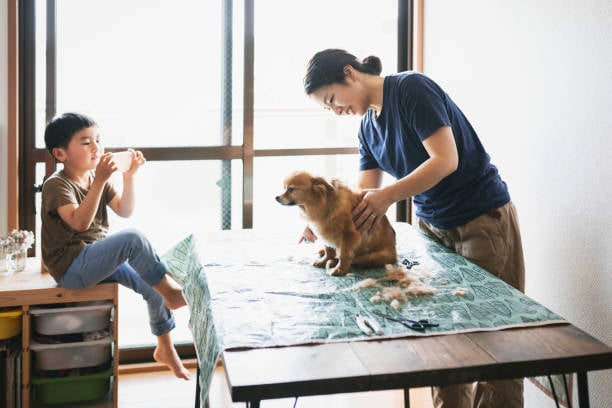
Clear communication is one of the most effective ways to prevent misunderstandings and reduce liability.
Ways to Support Transparency and Trust
- Share grooming policies clearly (late pickup fees, matting policies, aggressive dog protocols)
- Keep clients informed about their pet’s behavior or health concerns
- Document any pre-existing conditions before grooming
- Encourage questions and feedback
- Use digital tools to automate appointment reminders, waivers, and updates
With Gingr's built-in communication tools—including automated confirmations, reminders, and digital contracts—you can reduce no-shows, eliminate paperwork, and keep clients fully in the loop.
These touchpoints help you avoid miscommunications that may lead to disputes or safety concerns.
8. Use Software to Reduce Operational Risks
While insurance protects your financial risks, smart software helps prevent operational ones. Tools like Gingr support pet grooming services and businesses by:
- Automating appointment reminders to reduce no-shows
- Allowing pet parents to upload vaccination records and sign waivers digitally
- Helping staff track grooming notes, health alerts, and behavior flags
- Providing clear visibility into add-ons and services
- Cutting down on front-desk chaos with features like Gingr PreCheck
- Reducing errors with built-in pricing rules
- Offering in-app reporting so you can track trends and risks proactively
Pet groomers can streamline operations, reduce manual errors, and improve safety with consistent, reliable workflows all within one platform.
Risk Management Is an Ongoing Commitment
The pet grooming industry, including the growing rise in mobile grooming businesses, is full of heart, dedication, and passion. Strong risk management is one of the best ways to protect the pets you love, the team you rely on, and the business you’ve built.
By combining the right pet grooming insurance coverage, strong training, safety standards, financial planning, legal compliance, and reliable technology, you create a grooming business that’s ready to handle anything.
And best of all? These strategies show your customers that their pets are safe with you—strengthening trust, loyalty, and long-term satisfaction.
Frequently Asked Questions
1. What factors affect dog grooming insurance cost?
Dog grooming insurance cost can vary based on your location, the size of your grooming operation, the number of employees you have, the services you offer, and the level of coverage you choose. Additional options—like animal bailee coverage or protection for mobile units—may increase the price but also provide more complete protection for your business.
2. Do dog groomers need insurance even if they work from home or operate mobile grooming units?
Yes. Dog groomers need insurance regardless of where they work. Home-based and mobile businesses face many of the same risks as grooming salons, including pet injuries, property damage, or liability claims. The right insurance ensures you’re protected in any setting.
3. Does insurance cover my grooming equipment?
Most business insurance policies can cover grooming equipment, such as clippers, dryers, tables, and tubs, in case of theft, accidental damage, or certain natural disasters. Be sure to review your property insurance or business owner’s policy (BOP) to confirm what is and isn’t covered.
4. Can pet grooming insurance help replace lost business income after an unexpected interruption?
Yes. Many grooming insurance packages include business interruption coverage, which can help replace lost business income if you temporarily cannot operate due to a covered event—such as fire, major equipment failure, or other disruptions outside your control.
5. Is insurance required for dog groomers, or is it optional?
Requirements vary by state and municipality, but carrying insurance is strongly recommended for all dog groomers. Even when it’s not legally required, insurance protects you from financial liability and gives pet parents confidence that their pets are in safe, responsible hands.
Grow Your Pet Grooming Business with Confidence
At Gingr, we’re here to help pet-care pros thrive with tools designed to simplify your day, reduce risks, and deliver exceptional experiences for pets and pet parents alike. From streamlined check-ins to digital contracts, pricing automation, grooming notes, pet parent reminders, and more, we help you spend less time managing the chaos and more time doing what you love.
Ready to support your dog grooming business with the software pet-care professionals can’t live without?
Join the pack. Book your Gingr demo today!

Subscribe to the Gingr Blog