 Boarding
 Daycare
 Grooming
 Training
 Dog Park / Dog Bar
 Enterprise

Puppies bring energy, excitement, and opportunity to your dog daycare. But without the right structure, they can also bring unpredictability, extra staff demands, and safety concerns.
With a thoughtful approach, a puppy program can become one of the most profitable and differentiating services your daycare offers.
Whether you’re just starting out or looking to refine your current offering, we'll walk you through how to build a puppy program that supports healthy development, delights pet parents, and drives consistent revenue for your business.

Why Puppy Programs Are a Smart Investment
Puppies aren’t just smaller dogs, they’re also future long-term clients.
When pet parents find a daycare they trust during those early months, they’re far more likely to stick with you for daycare, boarding, grooming, and training for years to come. That means your puppy program can be an effective customer acquisition and retention engine.
A well-run puppy program helps you:
- Build lifelong customer relationships
- Increase lifetime value per client
- Create opportunities for add-on services like training and enrichment
- Stand out in a competitive market
And perhaps most importantly, it positions your daycare as a trusted partner during one of the most important stages of a dog’s life.
Step 1: Define Your Puppy Program Structure
Before you start marketing your puppy program, you need a clear structure that supports both safety and scalability.
Age & Enrollment Criteria
Start by defining who qualifies as a “puppy” in your program. Most facilities set a range between 8 weeks and 6–9 months, depending on size and temperament.
You’ll also want to outline:
- Vaccination requirements
- Behavioral assessments
- Spay/neuter policies (if applicable)
Clear guidelines not only protect your daycare, they build trust with pet parents from day one.
Grouping & Capacity
Puppies require a different environment than adult dogs. Smaller group sizes and more supervision are key.
Consider:
- Dedicated puppy playgroups
- Lower dog-to-staff ratios
- Separate rest areas
This helps prevent overstimulation and ensures each puppy gets the attention they need.

Step 2: Build a Structured Daily Routine
Structure is everything when it comes to puppies. A predictable schedule helps reduce anxiety, improves behavior, and creates a safer environment for both pets and staff. It also allows you to run your program more efficiently.
A balanced puppy schedule should include:
- Supervised play sessions
- Frequent potty breaks
- Rest periods
- Enrichment and basic training
In fact, structured routines are one of the most effective ways to create a calm, well-managed daycare environment—especially for high-energy dogs.
Sample Puppy Daycare Flow
Morning:
- Arrival, potty breaks, gentle socialization
- Short, supervised play sessions
Midday:
- Nap time (crucial for development)
- One-on-one enrichment or training
Afternoon:
- Controlled group play
- Basic obedience or confidence-building exercises
Evening:
- Wind-down time
- Pet parent updates and pick-up
Consistency here also helps your team stay organized and reduces chaos during peak hours.
Step 3: Incorporate Training & Enrichment (Your Revenue Drivers)
Here’s where your puppy program becomes truly profitable.
Puppy parents are actively looking for guidance. If you can bundle daycare with training and enrichment, you create a higher-value experience—and increase your average ticket.
Training Add-Ons
Offer structured options like:
- Puppy manners classes
- Basic obedience sessions
- Leash training or recall work
These can be sold as:
- Individual add-ons
- Packages
- Membership-based programs
Enrichment Activities
Mental stimulation is just as important as physical play. Enrichment services can include:
- Puzzle toys and scent games
- Confidence-building agility
- Socialization sessions with controlled pairings
These services are not only beneficial—they’re highly marketable.
With the right setup, many facilities see an additional $15–$25 per reservation through add-ons and upsells tied to enrichment and training.
Step 4: Create Puppy Packages & Memberships
If you want predictable revenue, packages and memberships are your best friend.
Instead of selling daycare one visit at a time, bundle your puppy program into structured offerings.
Example Packages
Puppy Starter Pack
- 5 daycare days
- 2 training sessions
- 1 enrichment add-on
Puppy Socialization Program (4–6 weeks)
- Weekly daycare visits
- Group training classes
- Progress report cards
Membership Model
Recurring memberships are especially powerful, as they:
- Provide consistent monthly revenue
- Encourage routine attendance
- Build long-term loyalty
Packages and memberships also reduce administrative work by automating billing and tracking usage—helping you spend less time on paperwork and more time with the pups.

Step 5: Deliver an Exceptional Pet Parent Experience
Puppy parents are often anxious, excited, and highly engaged. This is your opportunity to create a standout experience that builds trust.
Communication Is Key
Keep pet parents informed with:
- Daily report cards
- Photos and videos
- Behavior notes and training updates
These touchpoints help reinforce the value of your program and make pet parents feel connected to their puppy’s progress.
Make Booking Easy
Today’s pet parents expect convenience. Offering self-service booking, mobile access, and automated reminders ensures they can schedule services without friction.
In fact, fast responses and seamless communication can be the difference between winning or losing a client, especially when pet parents are comparing multiple options.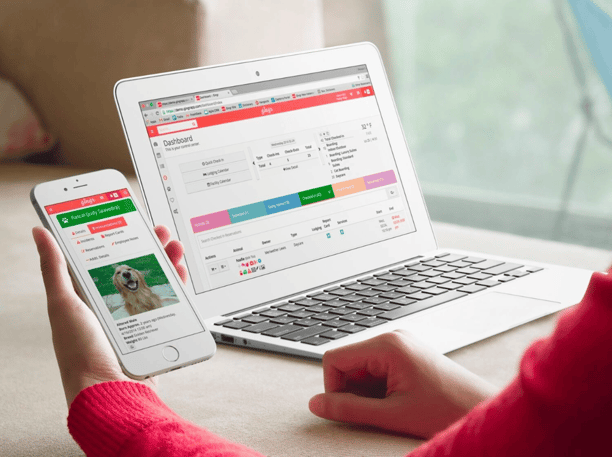
Step 6: Train Your Team for Puppy Success
Your staff plays a huge role in the success of your program. Puppies require a different skill set than adult dogs, so proper training is essential.
Focus on:
- Reading puppy body language
- Managing play styles safely
- Reinforcing positive behaviors
- Communicating with pet parents
When your team feels confident, your program runs more smoothly, and your customers notice.
Step 7: Price for Profit (Not Just Participation)
It’s tempting to price your puppy program low to attract new clients—but that can quickly backfire. Instead, focus on value-based pricing.
You’re not just offering daycare, you’re providing:
- Early training and development
- Socialization opportunities
- Peace of mind for pet parents
When bundled effectively, your puppy program should command a premium price.
Tips for Smart Pricing
- Bundle services to increase perceived value
- Offer tiered packages (basic, premium, VIP)
- Include high-margin add-ons
- Use memberships to stabilize revenue
Remember: a profitable program supports better staffing, better care, and a better overall experience.

Step 8: Use Technology to Scale Your Program
As your puppy program grows, manual processes can quickly become a bottleneck. From scheduling to communication to payments, managing everything across multiple tools creates inefficiencies and increases the risk of errors.
That’s where an all-in-one system can make a big difference.
With the right software, you can:
- Automate bookings and reminders
- Track vaccinations and agreements
- Manage packages and memberships
- Upsell add-ons during booking or check-in
- Send report cards and updates automatically
Instead of juggling phone calls, emails, and spreadsheets, everything lives in one place. saving your team hours of administrative time each day.
Step 9: Market Your Puppy Program Effectively
You’ve built the program. Now it’s time to fill it.
Target the Right Audience
Focus on:
- New puppy owners
- First-time pet parents
- Local veterinarians and breeders
These groups are actively looking for guidance and services.
Messaging That Resonates
Highlight benefits like:
- Safe socialization
- Early training support
- Structured routines
- Convenience for busy pet parents
And don’t forget to emphasize outcomes! Calmer dogs, better behavior, and happier homes.
Automate Your Marketing
Consistent outreach is key, but it doesn’t have to be manual.
With marketing automation tools, you can:
- Capture leads instantly
- Follow up automatically
- Send targeted promotions
- Encourage reviews
This ensures no opportunity slips through the cracks, even on your busiest days.
Step 10: Measure, Optimize, and Grow
Finally, treat your puppy program like the revenue driver it is.
Track key metrics such as:
- Enrollment numbers
- Average revenue per puppy
- Add-on attachment rates
- Customer retention
Use this data to refine your offerings, adjust pricing, and identify new opportunities. Over time, your puppy program can evolve into a cornerstone of your business that fuels both growth and customer loyalty.
Set Puppies (and Your Pet Business) Up for Success
A profitable puppy program isn’t built overnight—but with the right structure, services, and systems in place, it can transform your daycare.
By combining thoughtful care, strategic pricing, and streamlined operations, you create a program that:
- Supports healthy puppy development
- Builds trust with pet parents
- Drives consistent, predictable revenue
And most importantly, it helps you focus on what you do best—caring for pets and building lasting relationships.
Ready to turn your puppy program into a growth engine?
With Gingr, you can simplify scheduling, automate communication, and unlock new revenue opportunities all in one place. Book a demo to see how Gingr can help you do more (with less busywork).


Subscribe to the Gingr Blog