 Boarding
 Daycare
 Grooming
 Training
 Dog Park / Dog Bar
 Enterprise
We all love dogs, but let’s be honest: A Great Dane and a Chihuahua don’t exactly come with the same instruction manual. From feeding and playtime to handling and housing, smaller pets (and small dog breeds in particular) require a different set of considerations to stay safe, comfortable, and happy in your care.
Whether you run a boarding facility, daycare, grooming spa, or all of the above, thoughtfully accommodating smaller pets isn’t just a “nice to have.” It’s a strategic decision that can elevate your services, reduce risk, and build serious trust with pet parents, especially as expectations for personalized care continue to rise.
As pet ownership grows and pet parents become more selective about where they leave their animals, facilities that understand the unique needs of small pets are increasingly standing out from the pack.

Small Dogs, Big Personalities
Small dog breeds often come with big personalities. They can be confident, cautious, energetic, or a little bit of all three—sometimes before breakfast. While they may take up less physical space, their emotional and behavioral needs are anything but small.
Because of their size, small dogs often experience the world differently than larger breeds. New environments can feel bigger, louder, and more overwhelming. That means your facility layout, daily routines, and staff training all play an important role in shaping their experience.
Here are a few key considerations to keep in mind.
Space Matters
Large, open play yards that work beautifully for bigger dogs can feel intimidating—or even unsafe—to small dogs. Fast movement, loud play, and towering canine companions may lead to stress or avoidance behaviors.
Offering designated small-dog areas, quieter indoor spaces, or clearly separated play zones helps reduce anxiety and minimizes the risk of accidental injuries. Even within small-dog groups, having defined areas for rest, play, and enrichment gives pets more control over their environment, which can improve overall behavior.
Group Dynamics Are Different
Even the friendliest large dogs don’t always realize their size. A playful bounce or enthusiastic chase can be harmless for one dog and overwhelming for another.
Smaller play groups, thoughtful size and temperament matching, and supervised one-on-one time can make a world of difference for small dogs. Facilities that prioritize play style (not just size) often see fewer incidents and happier campers overall.
Handling Needs Extra Care
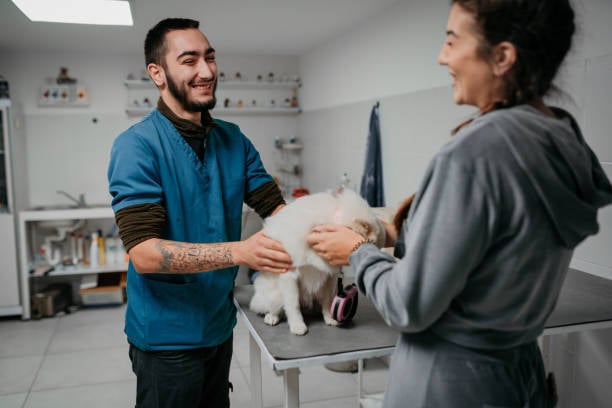
Small dogs are more susceptible to injury from improper lifting, restraint, or rough handling, especially in grooming or boarding environments where staff may be working quickly.
Training your team on proper lifting techniques, safe table setups, and gentle handling protocols is critical. For grooming spas in particular, having equipment scaled for smaller pets—such as lower tables, supportive restraints, and non-slip surfaces—helps keep both pets and staff safe.
Why Pet Parents Choose Small-Focused Facilities
More pet parents today are actively seeking out facilities that understand small pets—not just tolerate them — and there’s good reason for it.
Take Chilled Dawgz Dog Daycare & Pet Services, for example: They identified a need in their region for small-breed care and thoughtfully designed their space to meet the specific needs of pint-sized pups.
“We became Glasgow's first dog daycare catering solely for small to medium-sized dogs," Owner Nicola Fleming said.
Pet parents of small animals tend to be highly aware of their pets’ vulnerabilities. Many have experienced situations where their dog was overwhelmed, injured, or stressed in a mixed-size environment. As a result, they’re more likely to ask detailed questions, look for clear policies, and choose businesses that communicate confidence and care.
Safety and Comfort
Small dogs are at a higher risk of being overwhelmed or accidentally injured in mixed-size playgroups. Specialized facilities often separate dogs by size and play style to help prevent negative experiences and keep tiny tails wagging.
When pet parents see that you’ve put thought into safe groupings, controlled environments, and supervision standards, it immediately builds trust. They’re not just choosing a place for their pet to stay—they’re choosing peace of mind.
Stress-Free Environments
Smaller pets can be more sensitive to noise, constant activity, and unfamiliar surroundings. A facility that prioritizes calm spaces, predictable routines, and trained staff helps reduce stress for pets and reassures pet parents that their companions are in good hands.
Simple touches—like quieter boarding areas, soft lighting, or staggered activity times—can significantly improve the experience for small pets.
Tailored Enrichment
Small pets often thrive with more focused socialization and gentle play opportunities. Short enrichment sessions, puzzle toys, light training exercises, or calm companionship can be far more beneficial than long periods of high-energy play.
Pet parents notice when your team understands how to nurture confidence and engagement at the right pace. That level of attentiveness often turns first-time clients into long-term loyal customers.
This is where your expertise becomes a true differentiator, and why clear communication, tailored care plans, and thoughtful facilities help pet parents choose you over a “one-size-fits-all” alternative.
Feeding & Health: Details Matter More
When it comes to small pets, the details really matter—especially with food and health routines. Small variations can have a bigger impact, which means consistency and accuracy are essential.
Precise Portions
A little too much food can go a long way with small breeds. Overfeeding can quickly lead to weight gain, digestive upset, or lethargy. Clear feeding instructions from pet parents—and strict adherence by staff—are critical.
Measuring portions carefully and documenting any deviations helps ensure every meal supports the pet’s health.
Blood Sugar Awareness
Some small dogs are prone to hypoglycemia, particularly puppies, seniors, or high-energy toy breeds. Regular meals, scheduled snacks, and awareness of early warning signs (like weakness or disorientation) are important parts of responsible care.
Staff should know which pets require closer monitoring and what steps to take if concerns arise.
Medication Accuracy
Small pets often require very specific medication dosages, where even minor errors can cause issues. Accurate recordkeeping, clear labeling, and consistent communication among staff members are non-negotiable.
Pro tip: Consistent documentation helps ensure every team member is on the same page, especially during shift changes, busy seasons, or staff transitions.
Playtime Without the Chaos
Small dogs still need enrichment and exercise, but their version of play often looks very different than their larger counterparts.
Low-Impact Activities
Gentle fetch, controlled social play, enrichment toys, scent games, or short training sessions are often more appropriate and enjoyable for small pets. These activities provide mental stimulation without overwhelming their bodies or nervous systems.
Built-In Rest Breaks
Small pets can tire more quickly and benefit from calm downtime between activities. Structured rest periods help prevent overstimulation and reduce stress-related behaviors.
Managing Noise and Energy
Noise sensitivity is real. Barking, echoing spaces, and constant movement can overwhelm smaller pets. Having quieter zones or rotating activity schedules can dramatically improve their comfort level—and their behavior.
Beyond Dogs: Other Small Pets
Some facilities also care for cats or other small animals, particularly in grooming or specialty boarding settings. These pets come with their own unique considerations that shouldn’t be overlooked.
- Separate, quiet areas away from dogs to minimize stress
- Temperature-controlled spaces to ensure comfort and safety
- Minimal handling and reduced exposure to noise and activity
Even if these pets make up a smaller percentage of your bookings, providing thoughtful accommodations can set your business apart and open the door to new revenue streams.
The Big Picture: Pet Ownership Trends in 2025–2026
Understanding broader pet ownership trends helps you connect with your audience and anticipate evolving needs.
In 2025, approximately 94 million U.S. households have a pet, representing about 71% of all households. Dogs remain the most popular companion animals by far, with tens of millions of households sharing life with at least one dog.
While data on small-breed ownership varies by source, many of the most popular dog breeds in the U.S. are small or toy breeds, including Chihuahuas, Yorkshire Terriers, and Dachshunds. These breeds are especially common in urban and suburban areas, where space limitations make smaller pets a practical choice.
Looking ahead to 2026, pet parents — especially Millennials and Gen Z — are driving demand for tailored care services that prioritize wellness, comfort, and individualized attention. They’re more likely to research facilities online, read reviews carefully, and choose businesses that clearly communicate their approach to care.
Set Your Team (and Your Systems) Up for Success
Caring for small pets isn’t about doing more work, it’s about doing the right work. Clear notes, consistent processes, and strong communication help your team deliver personalized care without missing a beat.
When your systems make it easy to track feeding instructions, behavioral notes, play preferences, and health details, your staff can focus on what matters most: the pets.
And when pet parents know their tiny companions are being cared for with intention, expertise, and compassion? That’s how you build customers for life.
Ready to simplify operations so you can spoil even the smallest pests? Book a demo with Gingr today!


Subscribe to the Gingr Blog