 Boarding
 Daycare
 Grooming
 Training
 Dog Park / Dog Bar
 Enterprise
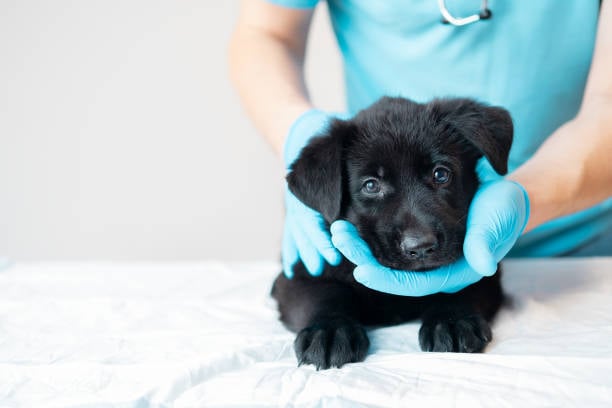
Running a pet-care business means balancing big-picture growth with the details that keep pets safe—and few details matter more than vaccinations. For puppies, staying on track with the right vaccine schedule isn’t just a health requirement; it’s essential for protecting your entire facility, building trust with pet parents, and keeping operations running smoothly.
Here, we’ll break down the puppy vaccination timeline in a way that’s easy to follow, so you can confidently manage records, enforce policies, and create a safer, healthier environment for every pup in your care.
Why a Puppy Vaccination Timeline Matters for Your Facility
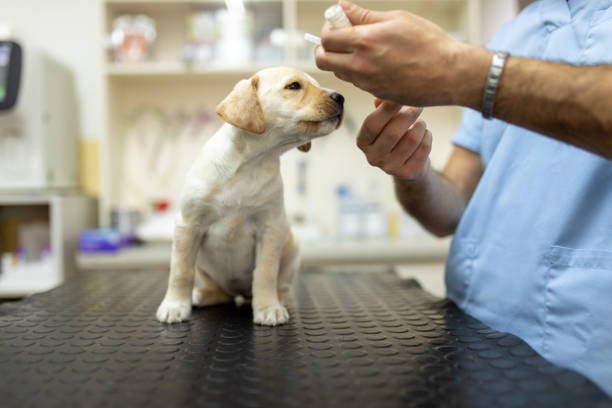
Young puppies are immunologically vulnerable from weaning until approximately 16–20 weeks of age. During this window, maternal antibodies gradually fade while vaccine-induced immunity is still developing. According to AAHA vaccination guidelines, this creates a critical period where puppies need protection but aren’t yet fully protected—making a consistent vaccine schedule essential for any facility accepting them.
A clear puppy vaccination timeline protects more than individual pets. It safeguards other dogs in your care, your staff (from zoonotic diseases like leptospirosis and rabies), and your business’s reputation and liability standing. Many of the dangerous diseases targeted by vaccines—including parvovirus, canine distemper, and rabies—are potentially fatal, expensive to treat, and highly contagious.
For pet-care professionals, Gingr can help streamline compliance by allowing you to:
- Upload vaccine records directly to pet profiles
- Set mandatory vaccine rules per service type (daycare, boarding, grooming)
- Automate email and SMS reminders when vaccines are coming due
- Block bookings when required documentation is missing or expired
This is especially pertinent to daycare operators, boarding facility managers, groomers, trainers, and dog park owners, helping you educate pet parents and build clear, enforceable vaccine policies.
Core vs. Lifestyle Vaccines: What Puppies Need and Why
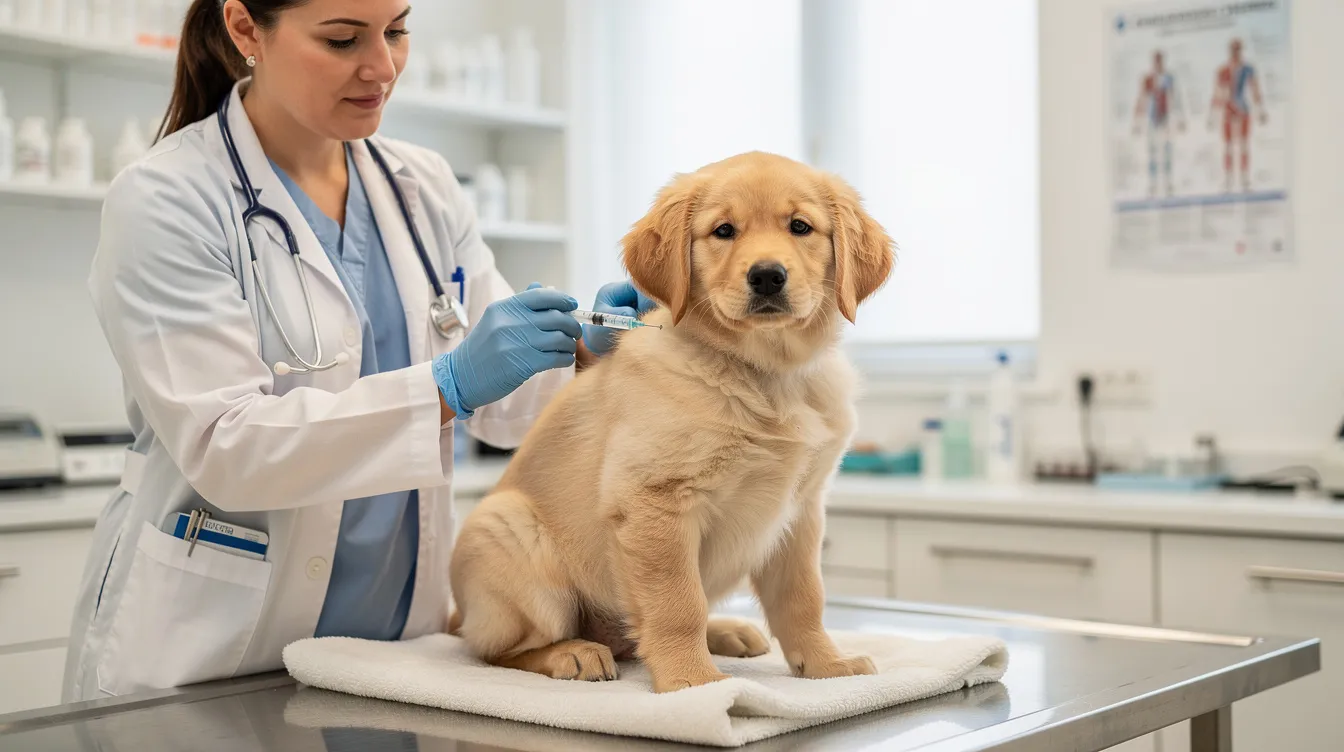
Veterinary organizations like AAHA and AVMA classify dog vaccinations into two categories: core vaccines recommended for all dogs regardless of lifestyle, and non core vaccines (also called lifestyle vaccines) recommended based on environment and activities.
Core vaccines in North America typically include protection against canine distemper, adenovirus (canine hepatitis), parvovirus, canine parainfluenza (combined as DHPP or DAPP), and rabies. Many clinics also treat leptospirosis as core in high-risk regions with wildlife exposure or standing water.
Lifestyle vaccines are commonly recommended for puppies who will attend daycare, boarding, grooming, training classes, or dog parks. Pet-care facilities should clearly distinguish which vaccines are “required” versus “recommended” in their policies and communicate this in welcome packets, websites, and online booking forms.
Core Puppy Vaccines
(DHPP/DAPP, Lepto, Rabies)
The combination vaccine commonly referred to as DHPP or DAPP covers four serious diseases:
|
Disease |
What It Affects |
Transmission |
|---|---|---|
|
Canine Distemper |
Respiratory, GI, nervous system |
Respiratory secretions, contaminated objects |
|
Adenovirus (Hepatitis) |
Liver, kidneys, eyes, blood vessels |
Contact with infected animal secretions |
|
Parvovirus |
GI tract, causes severe bloody diarrhea |
Feces, contaminated surfaces (highly contagious virus) |
|
Parainfluenza |
Respiratory tract |
Airborne, direct contact |
Parvovirus deserves special attention: Mortality rates in unvaccinated dogs can exceed 90% without aggressive treatment. The virus persists in the environment for months, meaning contaminated soil, shoes, or kennel surfaces can transmit disease even without direct dog-to-dog contact.
The leptospirosis vaccine protects against a bacterial disease spread via contaminated water, soil, and wildlife urine. This zoonotic disease can affect humans and cause kidney failure and liver failure in dogs. Many veterinarians now consider it core in endemic areas.
The rabies vaccine is legally mandated in most U.S. jurisdictions. This fatal disease transmitted through bites from an infected animal has no treatment once symptoms appear. Your facility should specify whether one-year or three-year rabies vaccinations are accepted and store legal certificates in your pet management system.
Lifestyle Puppy Vaccines
(Bordetella, Canine Influenza, Lyme)
Bordetella bronchiseptica is the primary bacterial cause of kennel cough, a highly contagious respiratory infection common in group-care environments. Vaccines are available in injectable, intranasal, and oral forms, with protection developing within days to two weeks.
|
Vaccine |
Starting Age |
Booster Frequency |
Recommended For |
|---|---|---|---|
|
Bordetella |
6–8 weeks |
Annual or every 6 months |
Daycare, boarding, grooming, training |
|
Canine Influenza (H3N2/H3N8) |
6–8 weeks (2-dose series) |
Annual |
High-density environments, urban areas |
|
Lyme Disease |
9–12 weeks (2-dose series) |
Annual |
Endemic tick regions, hiking dogs |
Canine influenza vaccines require a two-dose initial series administered 2–4 weeks apart. Both H3N2 and H3N8 strains circulate in U.S. dog populations, and outbreaks are more common in daycare and boarding settings.
Lyme disease vaccines are typically recommended in tick-endemic areas (northeastern and upper midwestern U.S.) or for dogs that hike or travel to tick-prone regions. Remember: vaccines complement but don’t replace tick prevention products.
Facilities should align vaccine requirements with local disease prevalence, consulting local veterinary teams and public health data.
Puppy Vaccination Timeline by Age (Birth to 18 Months)
Specific schedules vary by veterinarian, product label, and region, but most follow 3–4 week intervals beginning around 6–8 weeks until at least 16 weeks, per AAHA guidelines.
For operational purposes, “fully vaccinated” for group exposure means: final core vaccine (DHPP/DAPP ± lepto) administered at 16–18 weeks, plus 7–14 days for the dog’s immune system to mount a full response, with rabies given on schedule per local law.
6–8 Weeks Old: First Core Puppy Shots
Many puppies receive their first DHPP/DAPP vaccine at 6–8 weeks, often while still with the breeder, rescue, or shelter. A typical puppy vaccination includes:
- Physical exam
- First core combination vaccine (DHPP/DAPP)
- Possible first Bordetella (depending on product)
- Deworming
- Discussion of flea/tick and heartworm prevention
Immunity after this first dose is incomplete. Puppies should avoid dog parks, group daycare, and boarding. Limited puppy socials with similarly vaccinated puppies may be acceptable with veterinary guidance.
Request any existing vaccine records during intake and enter them into Gingr, including vaccine type, date, and due date for the next booster.
9–12 Weeks Old: Second Round of Puppy Vaccines
Around 9–12 weeks, puppies typically receive a second DHPP/DAPP booster to strengthen immunity as maternal antibodies continue declining. Many vets also administer:
- First leptospirosis dose (if using separate lepto vaccine)
- Initial lifestyle vaccines (Lyme, canine influenza vaccines) based on risk factors
- Bordetella booster or initial dose
Puppies are still not considered fully protected. Facilities can consider short, supervised group interactions only with similarly vaccinated puppies and high sanitation standards.
Use automated reminders to prompt pet parents to schedule this second vaccine visit before booking high-contact services.
12–16 Weeks Old: Final Puppy Series and Rabies
Between 12–16 weeks, most puppies receive their final DHPP/DAPP booster. Many clinics aim for this dose at or after 16 weeks to overcome lingering maternal antibody interference.
Key vaccines during this window:
- Final core combination vaccine
- First rabies vaccine (exact timing depends on local law)
- Second doses of leptospirosis, Lyme, or canine influenza
Treat puppies as “nearly protected” after this visit but wait 7–14 days before allowing full access to high-density areas.
Sample policy language: “We welcome puppies into full group play 10–14 days after their final core puppy booster (usually around 16–18 weeks), once we have updated vaccine documentation.”
16–18 Weeks Old: Transition to Fully Vaccinated Puppy
Most veterinarians consider a puppy fully vaccinated against core diseases once the final DHPP/DAPP (± lepto) is given at 16–18 weeks and has had 7–14 days to stimulate full immune response.
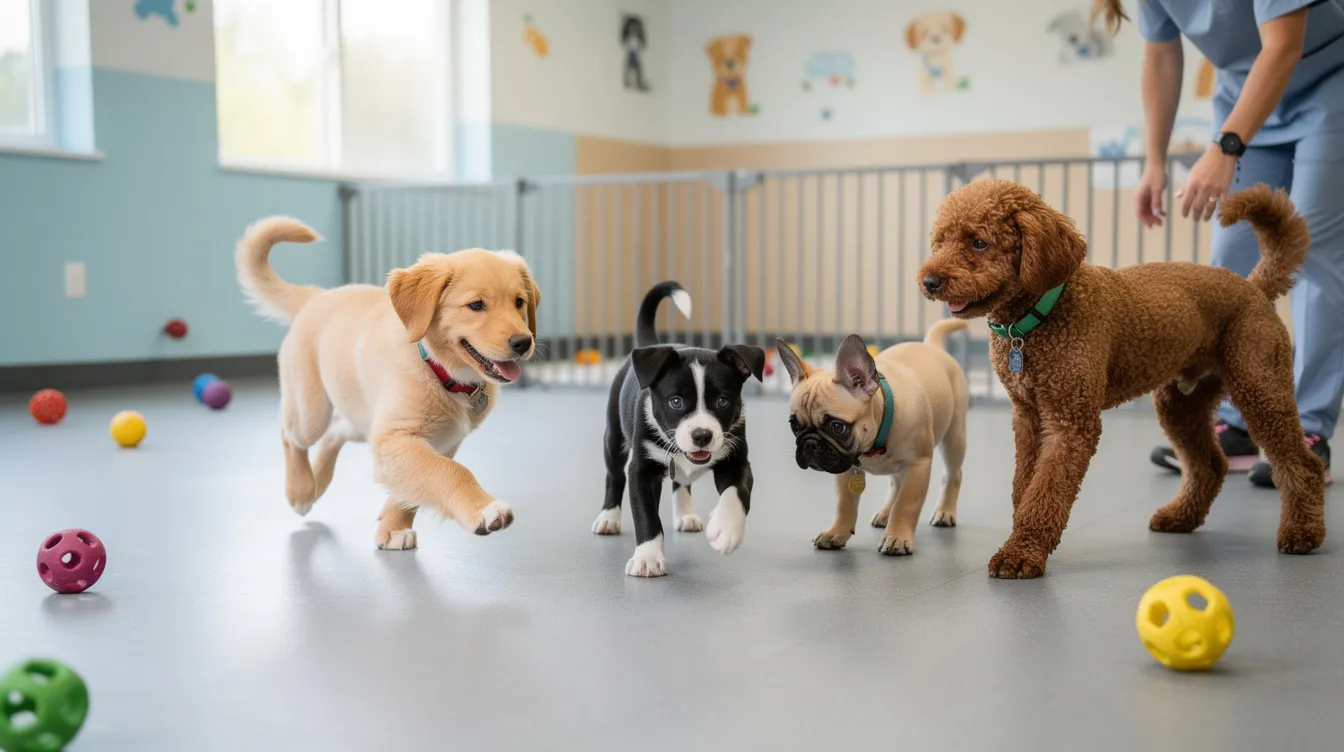
At this stage, puppies can typically participate in structured dog daycare playgroups, boarding, off-leash dog parks, grooming, and training classes—assuming they’re healthy and all required vaccines are current.
This is an ideal time to enroll puppies in regular daycare or training programs. Facilities can use loyalty programs, package credits, and customizable report cards with photos and videos through Gingr to build long-term client relationships.
6–12 Months Old: Adolescent Booster and Adult Schedule
Many clinics schedule a booster for core vaccines and rabies booster around 12 months, transitioning the puppy to an adult dog vaccinations schedule (often every 1–3 years depending on product and regulations). Pet-care businesses can also streamline this transition by using tips and tricks for getting the most out of Gingr to optimize reminders and record-keeping.
Lifestyle vaccines typically require annual or semiannual boosters for dogs regularly in group-care settings. Treat this 1-year booster as a key compliance milestone: verify updated records, adjust vaccine expiration dates in your software, and send proactive reminders before vaccines lapse.
Adult dogs and senior dogs should maintain current boosters to keep daycare, boarding, or grooming reservations active.
What 'Fully Vaccinated' Means in Practice for Group-Care Settings
“Fully vaccinated” is both a clinical concept and an operational policy decision. For your facility, define it operationally:
- Completed core vaccine series (final DHPP/DAPP ± lepto at ≥16 weeks)
- Received initial rabies vaccine as required by law
- Completed any required lifestyle vaccines (Bordetella, influenza) with appropriate waiting periods
- At least 7–14 days have passed since final doses
Sample policy: “Puppies may join group daycare once they are at least 16 weeks old, at least 10 days past their final core puppy booster, with current Bordetella and any required influenza vaccines documented.”
Configure your software to block bookings or flag accounts when any vaccine is expired or missing, ensuring consistent enforcement.
Integrating Vaccine Requirements into Your Pet-Care Business
Clear, enforceable vaccine rules reduce disease outbreaks, client disputes, and last-minute cancellations. Key operational steps:
- Define requirements by service: Which vaccines are required versus recommended for daycare, boarding, grooming?
- Set minimum thresholds: Establish age and vaccine completion requirements for group play
- Create protocols for partially vaccinated puppies: Consider one-on-one play, meet-and-greet, or grooming-only options for new puppy clients not yet fully vaccinated
- Collect official documentation: Request invoices or certificates listing vaccine name, manufacturer, lot number, date given, and next due date
- Train your team: Ensure reception, kennel, and grooming staff understand the typical puppy vaccination schedule
Gingr streamlines this process by storing vaccine documents, tracking expiration dates, setting mandatory rules per service type, and automating reminder communications.

Side Effects, Safety, and When to Delay Puppy Vaccines
Modern vaccines for dogs are extensively tested and considered very safe by veterinary authorities. Puppy vaccines cost is minimal compared to treating preventable diseases.
Common mild reactions (usually resolve within 24–48 hours):
- Sleepiness or slight fever
- Decreased appetite
- Small lump or soreness at injection site
- Temporary sneezing with intranasal vaccines
Warning signs requiring immediate veterinary care:
- Vomiting or diarrhea
- Facial swelling or hives
- Difficulty breathing
- Collapse or severe lethargy
In rare cases, certain breeds or individuals with prior reactions may need adjusted protocols. Record any known reactions in the pet’s profile. Vets may postpone vaccines in very ill puppies until stable—facilities should not pressure pet parents to vaccinate sick puppies just to meet booking deadlines.
Add a disclaimer in your policies that medical decisions rest with the veterinary team, and any exceptions must be documented in writing.
Communicating the Puppy Vaccine Timeline to Pet Parents
Many first-time puppy owners are unfamiliar with multi-visit vaccine series and timing. Clear education builds trust and compliance for your furry friend clients.
Effective communication strategies:
- Create a simple handout summarizing 6–8, 9–12, 12–16, and 16–18 week milestones
- Send this timeline automatically when a new puppy client registers
- Use consistent language when explaining why an under-vaccinated puppy cannot yet attend group daycare—emphasize puppy’s health and safety rather than blame
- Enable pet parents to upload vaccine records and see upcoming due dates through your booking system
Staff should confidently explain that these requirements protect both the individual puppy and other dogs in your care from harmful diseases and serious diseases.
Frequently Asked Questions About Puppy Vaccination Timelines
When can a puppy start daycare or group play if they are on schedule with vaccines?
Most facilities safely allow full group daycare once puppies have completed their final core vaccine at 16–18 weeks and are at least 7–14 days past that dose, with Bordetella (and influenza, if required) current. Some businesses offer controlled puppy socials earlier with strict hygiene protocols, but each facility should set a clear written age-and-vaccine threshold using software rules for consistent enforcement.
Can we accept a puppy whose vaccines started late or were given off-schedule?
Delayed vaccines are common in rescue situations. Veterinarians can adjust the series so the puppy still becomes fully protected. Require written documentation of any catch-up shot schedule and apply the same operational rule: treat the puppy as “fully vaccinated” only after the final core dose at ≥16 weeks plus 7–14 days. Flag these pets in your system for staff awareness.
Do indoor-only or small-breed puppies still need the full vaccination series?
Yes. Small-breed and primarily indoor puppies still need core vaccines—viruses like parvo can be tracked indoors on shoes and clothing. The highly contagious virus doesn’t discriminate by size. Rabies vaccinations are typically required by law regardless of lifestyle. While lifestyle vaccines can be tailored, most puppies eventually visit groomers, trainers, or daycare, increasing exposure to unvaccinated dogs.
How should our facility verify and store puppy vaccine records?
Always request official documentation (clinic receipt, vaccine certificate, or printout) listing vaccine name, date administered, and next due date. Staff should upload a clear photo or PDF into your management system, enter expiration dates, and set automatic reminders. Conduct periodic audits of records for active daycare and boarding clients.
What if a pet parent declines a recommended lifestyle vaccine?
Explain calmly that while veterinarians may classify some vaccines as optional, your facility’s insurance, liability policies, and disease-control standards require them for certain services. Offer alternatives where possible (one-on-one walks or enrichment instead of group play). Document the conversation and use your software to restrict access to specific services until required vaccines are completed.
Ready to streamline your vaccine compliance?
A clear vaccine plan protects puppies with developing immune systems, keeps your facility safe from outbreaks, and builds pet parent trust. Book a demo with Gingr to see how automated vaccine tracking, customizable requirements, and client communications can simplify your daily operations.


Subscribe to the Gingr Blog