
 Boarding
 Daycare
 Grooming
 Training
 Dog Park / Dog Bar
 Enterprise

If you own or manage a dog park business (especially a private, membership-based, or access-controlled park) you already know this: Letting dogs run is the easy part. Scaling the business behind it? That’s where things get complicated.
Between managing memberships, selling day passes, tracking vaccinations, controlling entry, and keeping pet parents engaged, growth can quickly create operational chaos.
That’s where the right systems built to scale, along with dog park management software that maximizes revenue, can make all the difference. Growing your business is a marathon, not a sprint, but the right tools can help build a foundation that supports sustainable, long-term growth.

Market Trends in the Pet Industry
First, let's look at the pet-care landscape as a whole. The pet industry isn’t slowing down, and that’s good news for dog park businesses.
The number of dog parks across the U.S. is rapidly growing, with more than a 20% increase over the last five years.
Nearly half of U.S. households have dogs, according to the American Pet Products Association. More than 85% of pet parents consider their pets part of the family. That emotional connection is driving increased spending, not just on food and supplies, but on services and experiences.
Pet services (boarding, grooming, daycare, training, and related experiences) account for $12–13+ billion annually and continue to grow steadily, driven by emerging pet industry trends. Pet parents are actively investing in enrichment, socialization, and community-driven experiences for their dogs.
At the same time, consumer behavior is shifting toward recurring models. The subscription economy has grown more than four times faster than the S&P 500 over the past decade, and customers are increasingly comfortable with memberships and automated billing.
For dog park owners, this presents a major opportunity:
Demand is rising, e xpectations are rising, and businesses that combine experience-driven offerings with modern pet-care automation software are best positioned to scaleThe revenue potential for dog parks is significant, especially when targeting pet parents who are seeking engaging and convenient experiences for their pets.
Manual systems can’t keep up with this level of growth. The right technology turns opportunity into sustainable revenue.
Find the Right Park and Target Market
Before scaling, make sure your market supports it.
Choosing the right local dog park is crucial for connecting with your target audience and engaging local dog owners who will become your core community. Understanding the demographics and preferences of your target audience helps ensure your dog park management software meets their needs and supports business growth.
Location, Location, Location
When selecting a park, remember that most dog owners choose a dog park within a 5- to 10-mile radius of their homes or neighborhoods. Focusing on a local dog park allows you to build relationships with nearby pet parents and create a loyal customer base.
Know Your Audience
Identify the characteristics of your target audience, such as pet ownership trends, age groups, and activity preferences. Engaging with local dog owners early helps foster community support and creates advocates for your park.
Build Relationships
Focus on the region's dog community for effective networking and business growth. Building strong relationships with local dog owners and other pet businesses can help your dog park thrive.
Map Local Demographics
Look for:
- High dog ownership density
- Apartment-heavy neighborhoods
- Young professionals and families
- Above-average household income
Understanding your local audience helps shape pricing, memberships, and programming.
Survey Nearby Dog Parks
Observe:
- Identify top dog parks in your area by evaluating foot traffic and engagement
- Foot traffic patterns
- Peak hours and overflow
- Member engagement levels
- Parking and accessibility
Shortlist and Pilot
Test three high-potential locations or customer segments with:
- Introductory day-pass pricing
- Early-bird memberships
- Community events
A strong business model for your dog park begins with real demand; not assumptions.

Revenue Models for a Dog Park Business
If you want predictable revenue, you need more than entry fees. When choosing a revenue model for your dog park, it's important to consider how it will impact your cash flow and overall revenue potential. Attracting new customers is essential for sustained growth, whether you use a membership or transaction-based model.
Membership models provide predictable recurring revenue and higher customer lifetime value compared to transaction-based models. This approach not only stabilizes your income but also helps you plan for long-term business health and scalability.
Day-Pass Pricing Experiments
Test:
- Weekday vs. weekend pricing
- Peak date pricing during holidays
- Timed access slots
Using automated pricing rules ensures you capture revenue without manually adjusting rates.
Membership Tiers for Recurring Revenue
Recurring revenue builds stability, and thoughtfully structured memberships for pet facilities can also deepen loyalty and differentiate your park.
Consider:
- Limited monthly visits
- Unlimited access
- Family multi-dog plans
- Premium tiers with event perks
The right dog park membership software automates billing, renewals, and access rules, so you’re not chasing payments.
Add-On Service Revenue Streams
Increase your average ticket with:
- Training classes
- Workshops
- Private park rentals
- Birthday parties
- Special events
- Agility courses
- Retail merchandise
- Food and beverage offerings
Upsells and cross-sells can significantly increase revenue per visit, especially when integrated directly into your booking flow.
Sell Day Passes, Memberships, and Access Control
Modern dog park businesses should allow pet parents to:
- Purchase day passes online
- Select timed access windows
- Apply promo codes
- Enroll in memberships digitally
Online booking reduces front-desk labor and removes friction from the buying process, especially when you use robust pet scheduling software to automate availability and confirmations.
When access rules are automated, you reduce errors and improve the customer experience at the same time.

Core Software Features for Your Dog Park
The best dog park management system should allow you to:
- Create individual pet profiles with dog daycare software
- Schedule dog bookings
- Enable a mobile app for pet parents
- Send automated booking reminders
- Upload and verify vaccination records
- Collect digital waivers
- Deliver photo and video report cards
- Run loyalty and referral programs
- Integrate with access control hardware
When everything lives in one system, you eliminate duplicate work and reduce risk.
Payment Processing and POS
Payments should be simple, secure, and automated for your dog park.
Look for software that enables:
- PCI-compliant payment processing
- Recurring billing for memberships
- Kiosk or mobile point-of-sale
- Automatic reconciliation of daily deposits
Integrated payments unlock subscription models, deposits, add-ons, and seamless checkout — all without switching between systems.
Integrations with Dog Training and Other Pet-Care Services
If your park offers or partners with trainers, your software should allow you to:
- Schedule training classes
- Sell class packages online
- Sync trainer calendars
- Promote add-on services at checkout
Partnering with pet related businesses can help expand your service offerings and community reach, fostering stronger relationships with local pet parents and organizations.
Bundling services increases revenue and deepens customer loyalty.
Access Control and Staffless Dog Parks
Many modern parks operate partially or fully staffless.
To do this safely, your system should:
- Generate single-use PIN codes
- Issue QR passes via email or mobile
- Restrict access by date and time
- Log entry activity with exportable reports
Smart access control reduces staffing costs while maintaining accountability and safety.
Marketing, Community, and Events
Community builds retention.
Community engagement is key to building relationships with other dog owners and fellow dog parents, helping to create a welcoming environment that encourages repeat visits and word-of-mouth referrals. Engaging with local dog owners and neighborhood associations can foster support for your dog park, while community engagement through events and social platforms can help promote your dog park to a wider audience.
A few successful strategies you can implement with your software include:
- Create segmented email campaigns
- Promote events and workshops
- Offer member-only perks
- Track referral performance
Strong communication increases engagement and keeps your park top-of-mind.
Analytics, Reporting, and Business Growth
Data should guide every growth decision.
With detailed reporting tools, you can analyze customer trends, booking rates, and peak usage hours to optimize park operations.
Track:
- Revenue by product and time slot
- Occupancy in real time
- Membership churn rate
- Add-on attachment rates
- Revenue per visit
Export tax-ready financial reports and monitor KPIs that help you scale intentionally, not reactively.
Regulatory Compliance and Safety
Safety builds trust.
Understanding local laws, regulations, and health codes is essential during the planning process of your dog park business. Acquiring the necessary permits and approvals is a critical first step. The design of your dog park should reflect the needs of both dogs and their owners, while maintaining a safe and clean environment is crucial for sustainability and compliance.
Likewise, your pet business software system should help you:
- Collect and verify vaccine records before entry, with automated alerts for expired vaccinations to ensure safety tracking
- Require digital waivers, with a cloud-based database to eliminate human error in vaccination tracking and waivers
- Block entry for dogs with expired health records through automated vaccination tracking, reducing manual paperwork and enhancing safety
- Log incidents with timestamped notes
- Maintain documentation for compliance
Compliant software doesn't just save time. It protects your business.
Pricing, ROI, and Scaling Your Dog Park
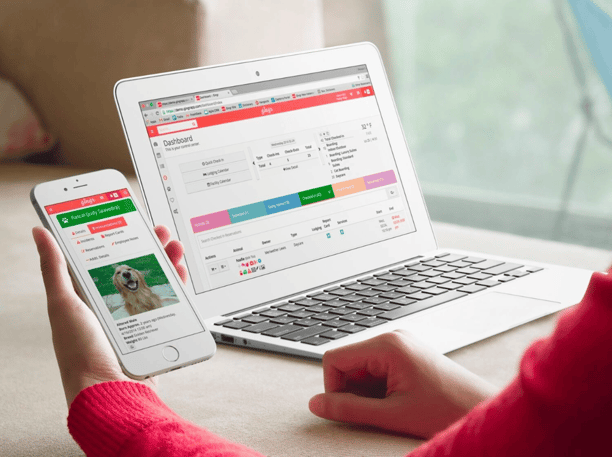
When evaluating dog park management software, look beyond monthly subscription cost. Managing your cash flow is essential to effectively grow your business, especially as you scale and adapt to seasonal changes. Cloud-based software solutions can help dog park owners manage operations more efficiently and improve customer loyalty.
Calculate:
- Break-even for memberships vs. day passes
- Staffing savings from automation
- Revenue lift from add-ons
- Reduced no-shows
- Increased retention
For many pet business operators, automation pays for itself quickly through labor savings and recurring billing stability.
Case Studies and Success Stories for Dog Parks
Dog park businesses leveraging automated day-pass sales and membership billing have seen:
- Higher recurring revenue
- Reduced administrative workload
- Improved compliance tracking
- Stronger member retention
- Increased average ticket size
>> Read real customer success stories from dog parks that use Gingr
Taking dogs to the dog park is not just about exercise, it's also an opportunity to build connections that can impact business success. The relationships built and the time spent building relationships at the dog park foster trust and familiarity, which can lead to more relationships and, ultimately, business growth.
When operations are streamlined, growth becomes sustainable.
Next Steps: Maximize Revenue with Gingr
If you’re ready to modernize and scale your dog park business, now is a great time to speak to a Gingr expert. Our platform is built specifically for your current business and future ways of operating. Boosting pet and customer satisfaction — along with your bottom line — wit pet-care business software made by pet lovers, for pet lovers.


Subscribe to the Gingr Blog